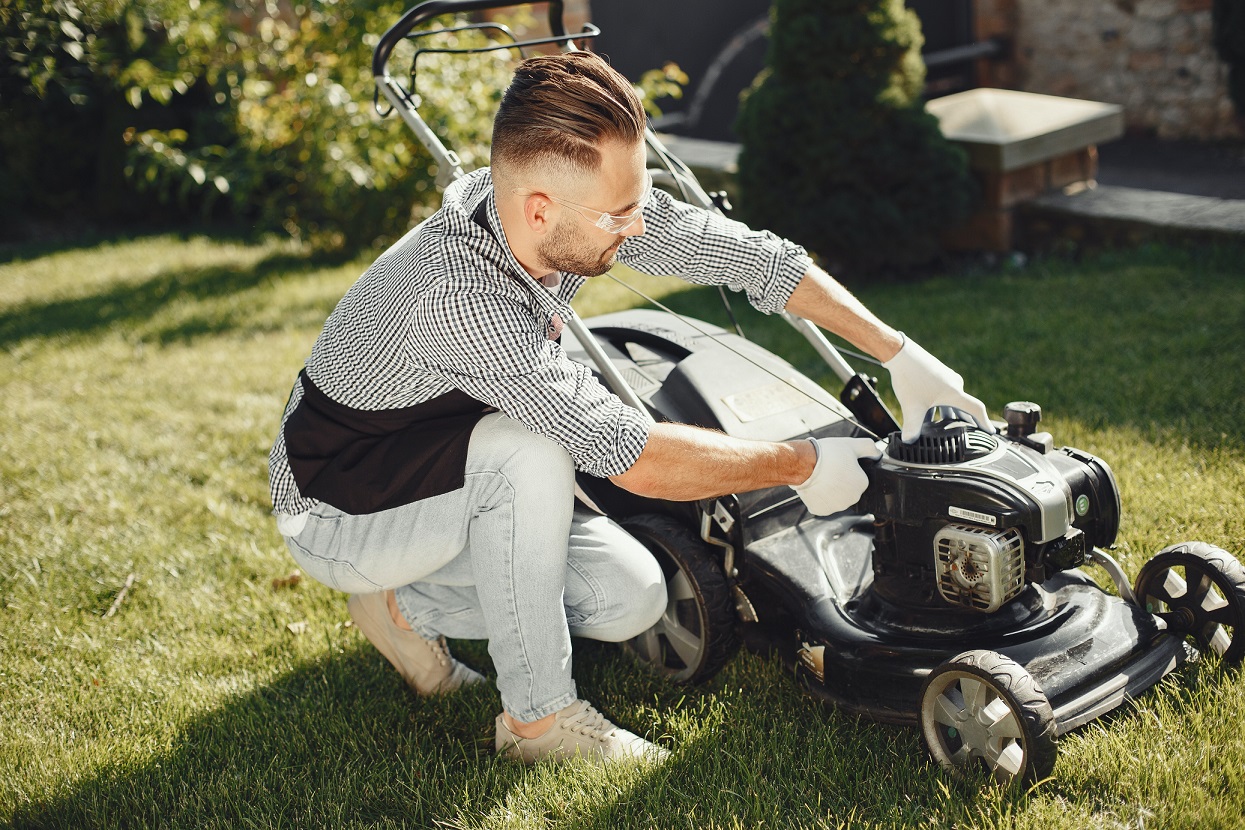
Your lawn equipment plays a crucial role in keeping your yard in tip-top shape. Whether it’s a lawnmower, trimmer, blower, or other tools, regular maintenance and cleaning are essential to ensure their efficiency, longevity, and safety. Neglecting maintenance can lead to decreased performance, costly repairs, and even accidents. By following proper maintenance and cleaning practices, you can keep your lawn equipment in top condition and enjoy a beautifully manicured lawn year-round. In this article, we will explore the importance of maintaining and cleaning your lawn equipment and provide a step-by-step guide to keeping them in top-notch condition.
The Importance of Regular Maintenance and Cleaning:
- Performance and Efficiency: Regular maintenance ensures that your lawn equipment operates at its optimal level. Well-maintained tools perform efficiently, cutting through grass and weeds smoothly and evenly. Properly tuned equipment requires less effort to use and provides better results, saving you time and energy.
- Longevity and Durability: Lawn equipment can be a significant investment, and proper maintenance can extend its lifespan. Routine upkeep prevents wear and tear, reduces the risk of breakdowns, and minimizes the need for expensive repairs or replacements.
- Safety: Safety should be a top priority when using lawn equipment. Regular maintenance helps identify potential safety issues before they become serious problems. Dull blades, loose parts, or malfunctioning components can be hazardous, leading to accidents and injuries.
- Cost Savings: Investing in routine maintenance and cleaning can save you money in the long run. Preventive maintenance is more cost-effective than repairing or replacing damaged equipment. Keeping your tools in good shape reduces the likelihood of costly breakdowns and replacements.
- Environmental Impact: Properly maintained equipment operates more efficiently, reducing fuel consumption and emissions. By minimizing your equipment’s environmental impact, you contribute to a greener and more sustainable environment.
Step-by-Step Guide to Maintaining and Cleaning Your Lawn Equipment:
- Read the Owner’s Manual: Start by reading the owner’s manual of each piece of lawn equipment you own. The manual provides essential information about maintenance schedules, recommended cleaning practices, and safety guidelines. Familiarize yourself with the specific needs and requirements of your equipment.
- Inspect Before Use: Before using any lawn equipment, perform a visual inspection to check for any signs of damage, wear, or loose parts. Look for cracks, dents, or frayed wires, and ensure all nuts, bolts, and fasteners are secure.
- Sharpen Blades: Dull blades can tear grass instead of cutting it, resulting in an uneven and unhealthy lawn. Regularly sharpen the blades of your lawnmower, trimmer, and other cutting tools. Follow the manufacturer’s instructions or seek professional assistance if you’re unsure how to sharpen blades properly.
- Change Oil and Filters: For gas-powered equipment, change the engine oil and filters according to the recommended schedule in the owner’s manual. Clean or replace the air filters regularly to maintain proper airflow and engine performance.
- Check Spark Plugs: Inspect and clean or replace spark plugs as needed. A fouled or damaged spark plug can lead to poor engine performance and difficulty starting the equipment.
- Lubricate Moving Parts: Lubricate the moving parts of your lawn equipment, such as wheels, hinges, and cutting blades. Lubrication reduces friction, prevents rust, and ensures smooth operation.
- Tighten and Adjust: Check and tighten any loose nuts, bolts, or fasteners on your equipment. Make necessary adjustments to ensure proper alignment and operation.
- Clean Air Vents and Cooling Fins: Clear any debris, grass clippings, or dirt from the air vents and cooling fins of your equipment. Restricted airflow can lead to engine overheating and reduced performance.
- Store Properly: When not in use, store your lawn equipment in a dry, sheltered area, away from direct sunlight and harsh weather conditions. Use equipment covers to protect them from dust and debris.
- Drain Fuel for Storage: If you plan to store gas-powered equipment for an extended period, drain the fuel tank or add a fuel stabilizer to prevent fuel degradation and carburetor issues.
Cleaning Your Lawn Equipment:
- Safety First: Before cleaning, always turn off the equipment and disconnect spark plugs or batteries to prevent accidental starts.
- Remove Debris: Use a brush or compressed air to remove grass clippings, dirt, and debris from the equipment’s exterior. Pay special attention to air vents, crevices, and hard-to-reach areas.
- Clean the Cutting Deck: For lawnmowers and other cutting tools, clean the cutting deck thoroughly to prevent grass buildup and corrosion. Use a scraper or putty knife to remove dried clippings and dirt. Rinse the deck with a hose and let it dry completely.
- Wipe Down Surfaces: Use a damp cloth or sponge to wipe down all surfaces of your equipment, including handles, controls, and engine housing. For stubborn dirt or grime, use a mild detergent and water solution.
- Clean and Recharge Batteries: If you have battery-powered equipment, clean the battery terminals with a battery brush or a mixture of baking soda and water. Ensure the batteries are fully charged before storing the equipment.
- Store Cleaned Equipment Properly: After cleaning, allow the equipment to dry completely before storing it in a clean and dry area. Store attachments and accessories in a designated container to prevent misplacement.
- Regular Cleaning Schedule: Establish a regular cleaning schedule for your lawn equipment, especially during the growing season when they are used more frequently. Regular cleaning prevents the accumulation of dirt and grass clippings, making subsequent cleanings easier and more effective.
- Professional Maintenance: For more complex maintenance tasks, or if you are unsure about certain aspects of equipment care, consider taking your tools to a professional service center. Trained technicians can perform thorough inspections and maintenance to ensure your equipment is in top condition.
- Replace Worn or Damaged Parts: As you perform regular maintenance and cleaning, keep an eye out for any worn or damaged parts on your lawn equipment. Replace these parts promptly to maintain the performance and safety of the tools. Common parts that may need replacement include belts, spark plugs, air filters, and cutting blades.
- Sharpen Cutting Blades Regularly: Dull cutting blades not only result in an uneven and unhealthy lawn but can also strain the engine and reduce fuel efficiency. Sharpen the cutting blades of your lawnmower, trimmer, and other cutting tools regularly, especially during the growing season when they are used more frequently. A sharp blade will cut the grass cleanly, promoting better lawn health.
- Store Equipment Properly During Off-Season: If you live in an area with distinct seasons and your lawn equipment will not be used for an extended period, such as during the winter months, store it properly to ensure it remains in good condition. Drain the fuel from gas-powered tools or add a fuel stabilizer, clean the equipment thoroughly, and store it in a dry and sheltered area to protect it from the elements.
- Check and Maintain Tires and Wheels: If your lawn equipment has tires or wheels, check them regularly for proper inflation and wear. Properly inflated tires ensure better traction and maneuverability, while worn tires can affect performance and safety. Replace tires with signs of significant wear or damage.
- Grease and Lubricate Moving Parts: Moving parts such as wheels, hinges, and bearings require proper lubrication to operate smoothly. Use lubricants recommended by the manufacturer and follow their guidelines for application frequency. Lubricating moving parts prevents rust, reduces friction, and extends the life of your equipment.
- Store Fuel Properly: If you have gas-powered lawn equipment, ensure that you store fuel properly to maintain its quality and prevent engine problems. Use only fresh, unleaded gasoline with the correct octane rating and add a fuel stabilizer if the equipment will be stored for an extended period. Store fuel in approved containers away from direct sunlight and heat sources.
- Maintain Safety Features: Regularly check and maintain safety features such as kill switches, safety guards, and shields. These features are essential for preventing accidents and ensuring safe operation. If you notice any safety features that are not working correctly, repair or replace them promptly.
- Follow the Recommended Maintenance Schedule: Each piece of lawn equipment comes with a manufacturer’s recommended maintenance schedule. Adhere to this schedule to ensure your equipment is adequately maintained and serviced. This schedule includes tasks such as oil changes, filter replacements, blade sharpening, and other maintenance items specific to each tool.
- Wear Proper Safety Gear: When performing maintenance and cleaning tasks on your lawn equipment, wear the appropriate safety gear, such as gloves, safety goggles, and ear protection. Taking safety precautions will help prevent injuries and ensure a safer working environment.
- Keep Records of Maintenance: Keep a log or record of all maintenance tasks performed on your lawn equipment. This log will help you track when each maintenance item was completed and when the next task is due. Having this information at hand will make it easier to plan and stay organized with your equipment care.
Properly maintaining and cleaning your lawn equipment is vital for ensuring its efficiency, longevity, and safety—and your garage plays an important role in that process. A clean, organized garage provides the ideal storage space to keep your tools protected from the elements, while a well-functioning garage door ensures easy, reliable access whenever you need them. Regular maintenance enhances performance, reduces the risk of breakdowns, and extends the lifespan of your tools. Thoroughly cleaning your equipment after each use prevents dirt and debris buildup, keeping it in top-notch condition. By following the manufacturer’s guidelines, establishing a regular maintenance schedule, and taking necessary safety precautions, you can enjoy well-maintained lawn equipment and a beautifully manicured lawn with ease. Taking the time to care for your lawn tools—and maintaining your garage and garage door—will not only save you money in the long run but also contribute to a safer, more efficient lawn care experience.