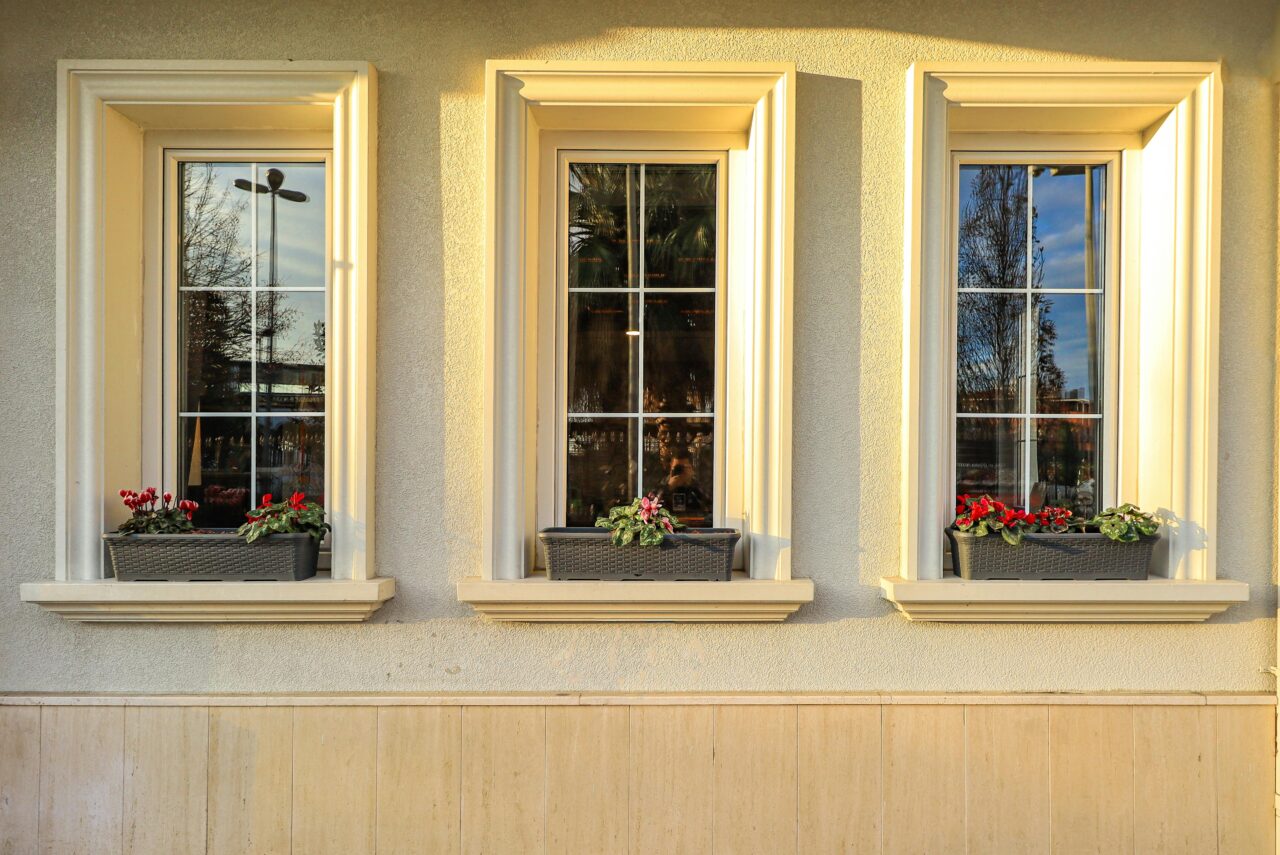
Window trim is more than just a functional element of your home; it serves as an important design detail that can elevate the overall aesthetic of your space. Choosing the right window trim is essential to achieving a polished and cohesive look, whether you’re aiming for modern minimalism, rustic charm, or classic elegance.
In this guide, we’ll explore the different types of window trim, how to choose the best materials and styles, and practical tips for installation and maintenance.
1. The Importance of Window Trim in Home Design
Window trim acts as a frame for one of your home’s most essential features: the windows. It not only enhances the architectural style of your home but also provides functional benefits.
Why Window Trim Matters:
- Defines the Space: Trim adds a finishing touch to both the interior and exterior of your home, giving it a well-rounded look.
- Enhances Architectural Style: The right trim complements the overall design of your home, whether traditional, contemporary, or farmhouse.
- Protects Against the Elements: Exterior trim seals gaps around windows, preventing drafts and water infiltration.
- Increases Curb Appeal: Well-chosen trim contributes to a cohesive and attractive exterior.
2. Understanding the Types of Window Trim
Before choosing a style, it’s important to familiarize yourself with the basic types of window trim available.
Interior Window Trim
- Casing: This is the trim that surrounds the interior window, creating a frame-like appearance. It’s often decorative and can range from simple to ornate.
- Apron: A horizontal trim piece located at the bottom of the window casing, below the sill.
- Sill: The horizontal piece at the base of the window, often slightly protruding, which provides structural support and aesthetic value.
Exterior Window Trim
- Flat Trim: A simple and modern style, ideal for minimalist designs.
- Brickmould: A thicker, decorative trim often used in traditional homes.
- Drip Cap: A horizontal piece of trim installed above the window to deflect water.
- Shutters: Though not part of the trim itself, shutters often work in conjunction with trim to enhance the overall design.
3. Choosing the Right Material
The material you choose for your window trim plays a significant role in its durability, appearance, and maintenance needs.
Common Materials for Interior Trim
- Wood: A classic and versatile option that can be painted or stained to match your design.
- MDF (Medium-Density Fiberboard): An affordable and smooth alternative to wood, but less durable in humid environments.
- PVC or Vinyl: Durable and water-resistant, ideal for bathrooms or kitchens.
Common Materials for Exterior Trim
- Wood: Provides a timeless look but requires regular maintenance to prevent rot and weathering.
- Fiber Cement: Durable and low-maintenance, resistant to moisture and pests.
- Vinyl: Affordable and easy to maintain but may lack the refined look of wood or fiber cement.
- Aluminum: Lightweight, weather-resistant, and available in a variety of finishes.
4. Matching Trim Style to Your Home’s Architecture
Your window trim should complement the architectural style of your home for a cohesive and polished look.
For Traditional Homes:
- Opt for wide, ornate casings with crown molding or decorative detailing.
- Use materials like wood for an authentic, timeless feel.
For Modern Homes:
- Choose minimalist, flat trim with clean lines and a sleek profile.
- Consider materials like aluminum or painted wood in neutral tones.
For Farmhouse or Rustic Homes:
- Go for chunky, natural wood trim with a distressed or stained finish.
- Add elements like board-and-batten shutters for extra charm.
For Coastal or Cottage Homes:
- Incorporate soft, pastel-colored trim to enhance the breezy, relaxed vibe.
- Combine with shutters in complementary colors for added character.
5. Selecting the Right Colors for Your Trim
The color of your window trim can make or break the overall look. Consider the following factors when choosing colors:
For Exterior Trim:
- Contrast for Drama: Pair dark trim with light siding (e.g., black trim on white siding) for a bold and modern appearance.
- Harmonize for Subtlety: Choose a color similar to your siding for a seamless, understated look.
- Match the Shutters: If you have shutters, coordinating their color with your trim creates a cohesive design.
For Interior Trim:
- Classic White: Timeless and versatile, white trim works with nearly any wall color.
- Stained Wood: Adds warmth and richness, especially in traditional or rustic interiors.
- Bold Colors: A colored trim can add personality to modern or eclectic designs.
6. Installation Tips for a Polished Look
Proper installation ensures your window trim not only looks great but also functions effectively.
Interior Trim Installation Tips:
- Measure Twice, Cut Once: Accurate measurements are crucial for a seamless fit.
- Use a Miter Saw: For clean, precise cuts, especially at corners.
- Fill Gaps and Nail Holes: Use caulk or wood filler to create a smooth finish.
- Paint or Stain Before Installation: It’s easier to paint or stain trim before attaching it to the wall.
Exterior Trim Installation Tips:
- Weatherproofing: Apply caulk around edges to seal gaps and protect against moisture.
- Use Rust-Resistant Nails: Especially in areas exposed to the elements.
- Prime and Paint: Exterior trim should be primed and painted with weather-resistant products to prevent rot and fading.
- Incorporate Drip Caps: These help divert water away from the trim and window, extending their lifespan.
7. Maintaining Your Window Trim
To keep your trim looking polished and fresh, regular maintenance is essential.
Interior Trim Maintenance:
- Dust and clean regularly with a damp cloth to prevent grime buildup.
- Touch up paint or stain as needed to address chips or scratches.
Exterior Trim Maintenance:
- Inspect annually for signs of rot, peeling paint, or weather damage.
- Repaint or restain every 3–5 years to maintain appearance and protection.
- Clean with a gentle soap solution to remove dirt and mildew.
8. Enhancing Trim with Decorative Details
For an extra touch of sophistication, consider adding decorative elements to your window trim:
- Crown Molding: Adds elegance and grandeur to interior casings.
- Keystones: Decorative accents for exterior trim, often used above arched windows.
- Custom Shapes: Curved or angled trim can enhance unique window designs.
The right window trim can transform your home, adding both beauty and functionality. By choosing materials and styles that align with your home’s architecture, pairing complementary colors, and ensuring proper installation, you can achieve a polished look that enhances both the interior and exterior of your space. Additionally, integrating security services and locksmith solutions can further enhance your home’s safety by reinforcing window locks and access points. Properly secured windows not only contribute to aesthetic appeal but also provide an added layer of protection, giving you peace of mind while maintaining your home’s stylish design.
Whether you prefer the timeless elegance of traditional wood trim or the sleek lines of modern minimalist designs, investing in high-quality trim will elevate your home’s aesthetic and leave a lasting impression.