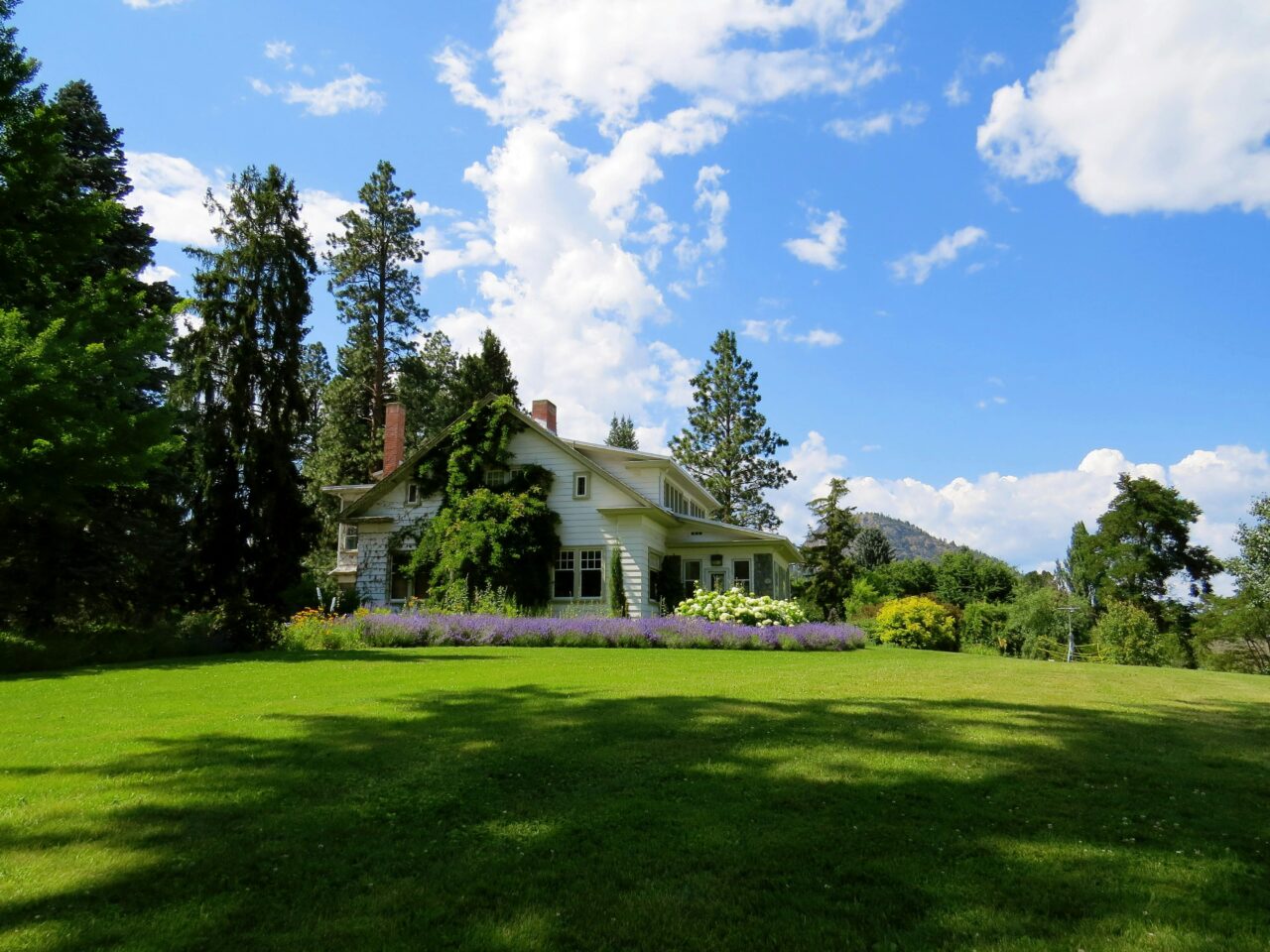
A thoughtfully designed landscape does more than beautify your property—it enhances your home’s character and creates a cohesive look that elevates curb appeal. Whether you own a cozy cottage, a sleek modern home, or a stately colonial, your landscaping should complement your home’s architectural style.
This guide walks you through key steps to designing a landscape that harmonizes with your home, offering practical tips and inspiration for creating an outdoor space that’s as stylish as it is functional.
Why Matching Your Landscape to Your Home Matters
Your home and landscaping should feel like a unified entity. When they align in style, they create a seamless visual flow that:
- Boosts Curb Appeal: A cohesive design adds value and charm to your property.
- Highlights Architectural Features: Strategic landscaping can emphasize your home’s best attributes.
- Enhances Livability: A well-designed outdoor space becomes an extension of your home.
Step 1: Assess Your Home’s Architectural Style
Understanding your home’s design is the foundation of successful landscaping. Here are some common architectural styles and corresponding landscaping ideas:
1. Modern or Contemporary Homes
- Characteristics: Clean lines, minimalist design, and large windows.
- Landscaping Tips:
- Use geometric shapes and symmetrical layouts.
- Incorporate low-maintenance plants like succulents and ornamental grasses.
- Opt for materials like concrete, gravel, and steel for pathways and planters.
2. Colonial or Traditional Homes
- Characteristics: Symmetry, gabled roofs, and classic details.
- Landscaping Tips:
- Plant formal gardens with neatly trimmed hedges and topiaries.
- Use brick or stone pathways for a timeless look.
- Add flower beds with traditional blooms like roses and hydrangeas.
3. Cottage-Style Homes
- Characteristics: Quaint, charming, and often covered in climbing plants.
- Landscaping Tips:
- Create lush, informal gardens with a mix of flowers and greenery.
- Include winding pathways made of natural stone.
- Add whimsical touches like arbors, trellises, or garden benches.
4. Mediterranean or Tuscan Homes
- Characteristics: Warm, earthy tones, stucco walls, and terracotta roofs.
- Landscaping Tips:
- Incorporate olive trees, lavender, and citrus plants.
- Use terracotta pots and Mediterranean-style tiles.
- Install water features like fountains or reflecting pools.
5. Ranch or Farmhouse Homes
- Characteristics: Single-story layouts, rustic charm, and wide porches.
- Landscaping Tips:
- Use natural materials like wood and stone for borders and pathways.
- Plant low-maintenance grasses, shrubs, and wildflowers.
- Include functional elements like vegetable gardens or raised beds.
Step 2: Plan Your Landscape Design
Once you’ve identified your home’s style, create a landscaping plan to bring your vision to life.
1. Define the Purpose
Think about how you want to use your outdoor space. Do you need a space for entertaining, gardening, or simply enjoying nature? Your goals will influence the layout and plant choices.
2. Consider Proportions
The size of your landscaping features should be proportional to your home. A large home requires bold elements like tall trees or expansive flower beds, while a smaller home benefits from understated designs.
3. Highlight Key Features
Use landscaping to draw attention to your home’s best architectural details. For example:
- Frame a beautiful front door with symmetrical planters.
- Create pathways that guide the eye to a charming porch or entryway.
Step 3: Choose the Right Plants
Plant selection is crucial for creating a cohesive look.
1. Match the Aesthetic
Select plants that align with your home’s style:
- Modern homes: Opt for sleek, sculptural plants like yucca, agave, or bamboo.
- Traditional homes: Use classic plants like boxwood, roses, and azaleas.
- Cottage homes: Choose colorful, informal flowers like daisies, lavender, and hollyhocks.
2. Consider Climate and Maintenance
Choose plants suited to your region’s climate and your maintenance preferences. Drought-tolerant options like succulents and native plants require less watering and upkeep.
3. Add Seasonal Interest
Incorporate plants that bloom at different times of the year to ensure your landscape remains attractive year-round.
Step 4: Incorporate Hardscaping
Hardscaping elements like pathways, walls, and patios add structure and functionality to your landscape.
1. Pathways
Create walkways that connect key areas of your yard while enhancing its style:
- Use straight, clean lines for modern designs.
- Opt for curved, natural paths for cottage or farmhouse aesthetics.
2. Fences and Borders
- Install wrought iron or picket fences for traditional homes.
- Use natural stone or wood for rustic or farmhouse designs.
- Consider metal or minimalist options for contemporary homes.
3. Patios and Seating Areas
A patio or seating area extends your home’s living space:
- Use materials like brick, stone, or stamped concrete.
- Add outdoor furniture that matches your home’s aesthetic.
Step 5: Use Lighting to Highlight Features
Outdoor lighting not only improves safety but also enhances your landscape’s appearance at night.
Lighting Ideas
- Pathway Lights: Guide guests to your home while adding ambiance.
- Uplights: Highlight trees, shrubs, or architectural details.
- String Lights: Create a cozy atmosphere in seating areas or patios.
Choose lighting fixtures that align with your home’s style. For example, lantern-style lights suit traditional homes, while sleek, minimalist designs are ideal for modern homes.
Step 6: Add Personal Touches
Finally, incorporate unique elements that reflect your personality and make your landscape stand out.
Ideas for Personalization
- Water Features: Add a small fountain, pond, or birdbath.
- Garden Art: Use sculptures, wind chimes, or decorative stakes.
- Custom Signage: Include a personalized welcome sign or address marker.
Maintenance Tips for a Lasting Look
A beautiful landscape requires ongoing care. Here are some tips for easy maintenance:
- Regular Pruning: Trim plants to maintain their shape and prevent overgrowth.
- Mulching: Use mulch to retain soil moisture and suppress weeds.
- Seasonal Updates: Refresh plants and décor to reflect the changing seasons.
Designing a landscape that complements your home’s style enhances its overall appeal and creates a harmonious connection between your home and its surroundings. By understanding your home’s architecture, planning thoughtfully, and incorporating the right plants and hardscaping, you can create an outdoor space that’s both beautiful and functional.
Whether you prefer the clean lines of a modern design or the lush charm of a cottage garden, the key is to balance your home’s aesthetic with landscaping elements that elevate its beauty. With these tips, you’re well on your way to designing a landscape that perfectly complements your home.