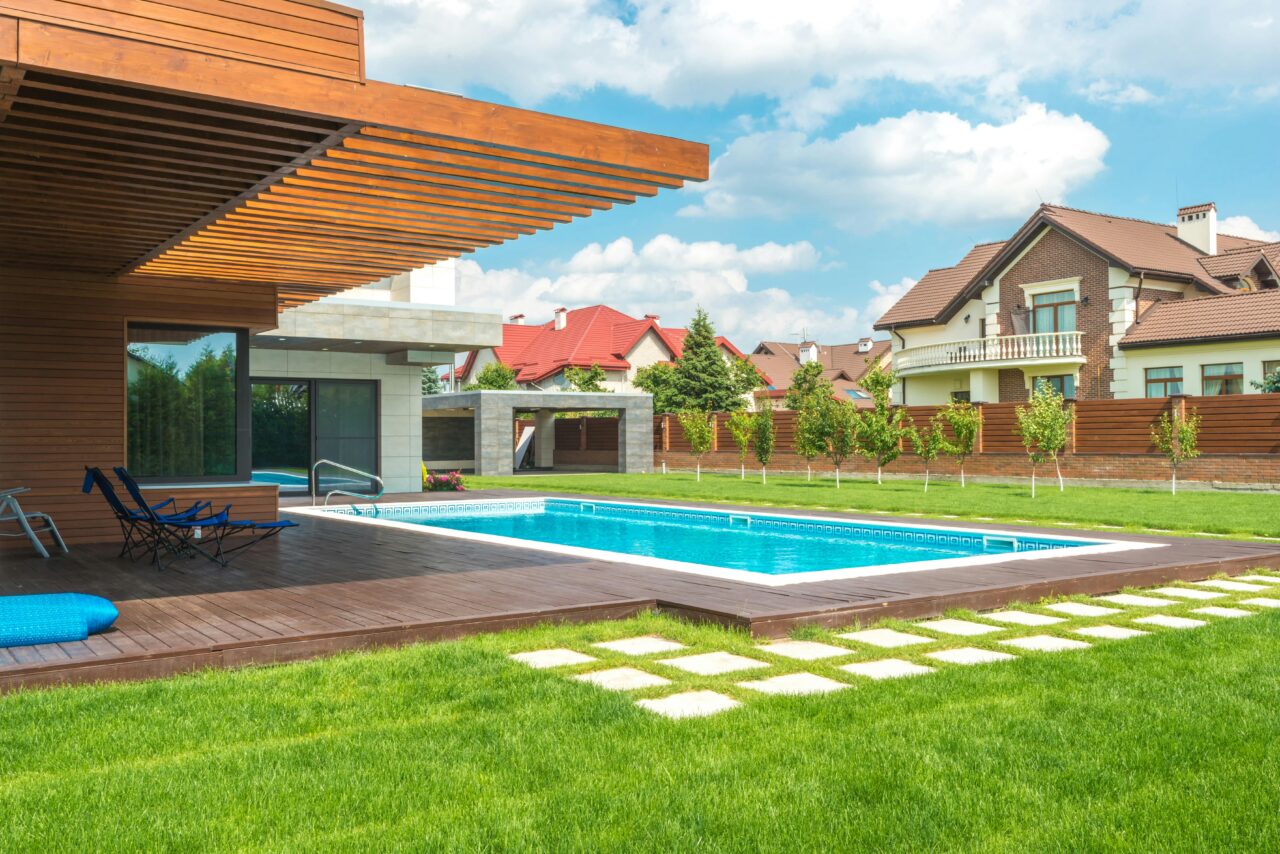
Choosing the exterior colors for your home goes beyond selecting what looks good. Colors have a profound psychological impact, influencing how people perceive your home and even how you feel about living in it. Exterior colors are among the first things visitors and passersby notice, making them a powerful tool for creating a specific impression or mood.
This article delves into the psychology of exterior colors, what they communicate, and how you can use them to reflect your personality, enhance curb appeal, and complement your home’s architectural style.
1. The Basics of Color Psychology
Color psychology studies how different hues influence emotions, perceptions, and behaviors. When applied to your home’s exterior, colors can evoke feelings of warmth, tranquility, sophistication, or energy. Here’s an overview of the basic color categories and their psychological effects:
- Warm Colors (Red, Orange, Yellow): These hues are bold, inviting, and energizing. They create a sense of warmth and can make your home feel welcoming.
- Cool Colors (Blue, Green, Purple): Often associated with calmness and serenity, cool tones have a soothing effect and blend well with natural surroundings.
- Neutral Colors (White, Gray, Beige, Black): Timeless and versatile, neutral colors exude sophistication and balance. They can act as a backdrop for bold accents or stand alone as a statement of understated elegance.
2. What Exterior Colors Say About Your Home
White: Clean and Classic
- Psychological Impact: White symbolizes purity, simplicity, and elegance. It conveys a sense of cleanliness and openness.
- Architectural Styles: Works well with modern, colonial, and farmhouse designs.
- Impression: A white exterior suggests a timeless, well-maintained home that emphasizes simplicity and order.
Gray: Modern and Sophisticated
- Psychological Impact: Gray is associated with balance, neutrality, and sophistication.
- Architectural Styles: Complements contemporary, industrial, and traditional homes.
- Impression: A gray exterior signals a modern and tasteful aesthetic, often appealing to those who value understated elegance.
Blue: Calm and Trustworthy
- Psychological Impact: Blue evokes feelings of peace, trust, and stability.
- Architectural Styles: Popular in coastal, Cape Cod, and craftsman-style homes.
- Impression: A blue house often feels approachable and serene, appealing to those who prioritize tranquility.
Green: Natural and Harmonious
- Psychological Impact: Green is tied to nature, growth, and harmony.
- Architectural Styles: Suited to rustic, Craftsman, and traditional homes, especially those surrounded by greenery.
- Impression: A green exterior blends effortlessly with the landscape, suggesting a home in harmony with its surroundings.
Beige and Taupe: Warm and Welcoming
- Psychological Impact: Beige and taupe evoke warmth, reliability, and comfort.
- Architectural Styles: Commonly used in Mediterranean, ranch, and suburban designs.
- Impression: These tones create a cozy, inviting atmosphere and appeal to those who value tradition and comfort.
Black: Bold and Sophisticated
- Psychological Impact: Black exudes power, elegance, and drama.
- Architectural Styles: Perfect for modern, minimalist, and industrial homes.
- Impression: A black exterior makes a bold statement and suggests a homeowner with a strong sense of style.
Red: Energetic and Bold
- Psychological Impact: Red conveys passion, energy, and confidence.
- Architectural Styles: Often seen in barns, country-style homes, and modern designs as an accent.
- Impression: A red exterior grabs attention and makes a bold, dynamic statement.
Yellow: Cheerful and Inviting
- Psychological Impact: Yellow is associated with optimism, energy, and happiness.
- Architectural Styles: Works well with Victorian, cottage, and farmhouse designs.
- Impression: A yellow house feels friendly and inviting, exuding warmth and positivity.
Brown: Grounded and Reliable
- Psychological Impact: Brown symbolizes stability, reliability, and connection to nature.
- Architectural Styles: Ideal for log cabins, rustic homes, and Craftsman-style designs.
- Impression: A brown exterior reflects earthy, grounded values and blends seamlessly with natural surroundings.
3. Harmonizing Colors with Your Environment
When choosing exterior colors, consider the natural and built environment around your home:
- Climate and Weather: In sunny areas, lighter colors reflect heat and keep the home cool, while darker shades absorb heat and work well in colder climates.
- Neighborhood Aesthetic: While it’s important to express individuality, harmonizing with nearby homes creates a cohesive and appealing streetscape.
- Landscape Features: Consider the colors of trees, flowers, and hardscaping elements like stone or brick. A home that complements its landscape will look more integrated and inviting.
4. Using Accent Colors for Contrast and Depth
Accent colors can add personality and highlight architectural details without overwhelming the design.
- Front Door: Choose a bold or contrasting color for your door to create a focal point. For example, a red door on a white house adds energy and charm.
- Trim and Shutters: Use neutral or complementary tones for trim to frame your home’s exterior features. Dark trim can create a dramatic effect, while light trim offers a softer look.
- Garage Door: A well-matched garage door can tie the entire design together or provide a subtle contrast.
5. Trends in Exterior Colors
Keeping up with color trends can modernize your home while maintaining timeless appeal.
- Earth Tones: Colors inspired by nature, such as terracotta, sage green, and sandy beige, are trending for their warmth and connection to the environment.
- Two-Tone Exteriors: Combining two complementary shades, such as a dark gray body with white trim, creates depth and interest.
- Bold Contrasts: Dark exteriors with white or brightly colored accents make a striking statement.
6. Practical Tips for Choosing Your Home’s Colors
- Sample and Test: Paint swatches on different parts of your home’s exterior to see how they look in various lighting conditions.
- Consider Longevity: Neutral and classic colors tend to age better and maintain appeal over time.
- Consult a Professional: If you’re unsure, a designer or color consultant can provide expert advice tailored to your home.
- Use Online Tools: Digital tools and apps allow you to visualize how different colors will look on your home before committing.
7. How Exterior Colors Reflect Personality
The colors you choose for your home often reflect your personality and values:
- Bright and Bold: Suggests creativity, confidence, and a love for standing out.
- Neutral and Subtle: Reflects practicality, elegance, and a preference for timeless appeal.
- Natural Tones: Indicates a deep connection to nature and a desire for harmony.
Your home’s exterior is an extension of your identity, and the right colors can help convey your story to the world.
The psychology of exterior colors plays a crucial role in how your home is perceived and how you feel living in it. By understanding the emotional and visual impact of different hues, you can select colors that align with your personality, enhance your home’s architectural style, and boost curb appeal.
Whether you prefer the clean simplicity of white, the inviting warmth of yellow, or the modern sophistication of gray, the right exterior color palette can transform your home into a reflection of your taste and lifestyle. Take the time to consider your options, and enjoy the lasting impact of a well-chosen exterior color scheme.