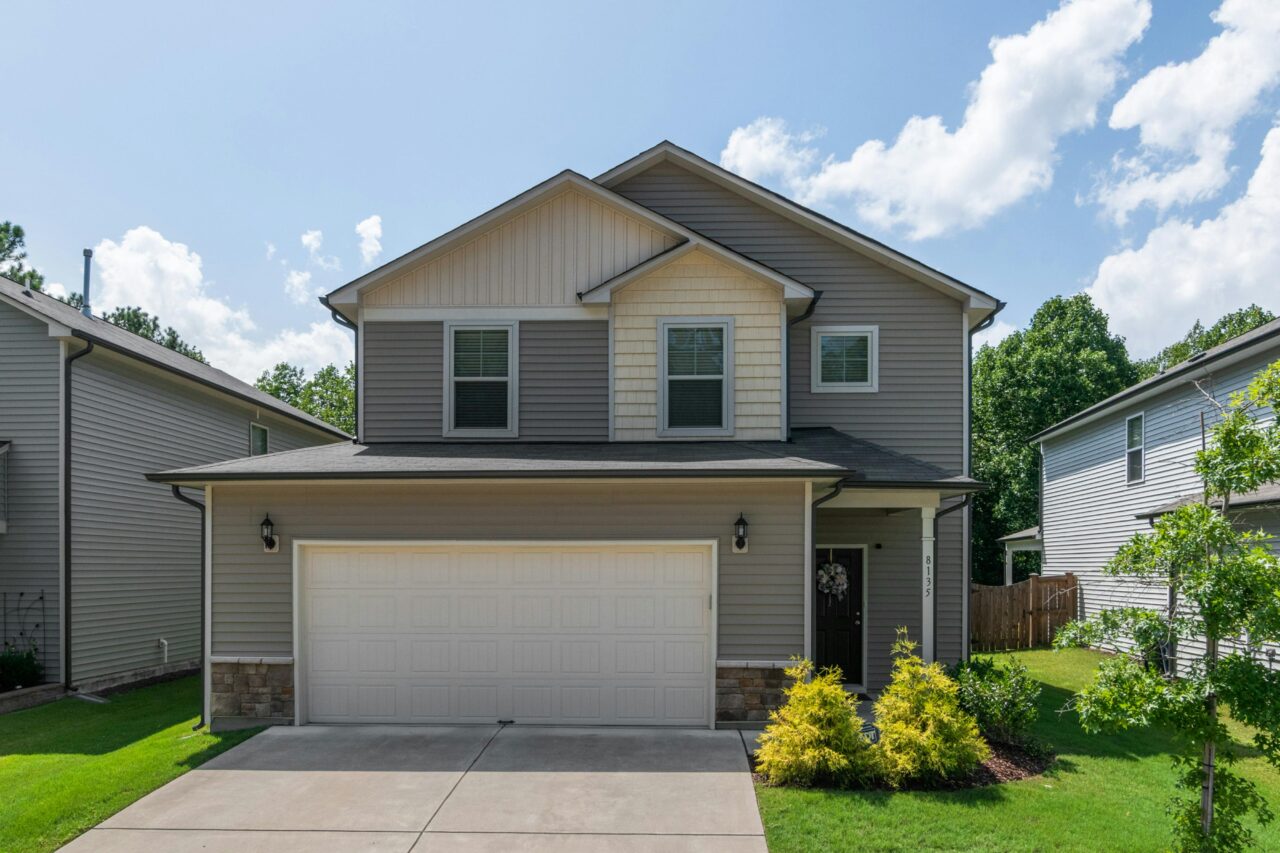
Your garage door is more than a functional entry point; it’s a key component of your home’s façade that significantly influences curb appeal. The right garage door style, color, and materials can harmonize with your home’s architecture and elevate its overall aesthetic. Choosing the perfect garage door involves careful consideration of your home’s exterior design elements to create a cohesive and attractive look.
This guide will help you understand how to match your garage door to your home’s style, materials, and color scheme while incorporating functional and decorative elements that enhance its appeal.
1. Understanding Your Home’s Architectural Style
Every home has a distinct architectural style, and your garage door should reflect and complement that style.
Traditional Homes
- Features: Symmetry, pitched roofs, classic trims, and formal elements.
- Garage Door Options: Paneled designs with windows, raised panels, or carriage-house styles fit well with traditional homes. Choose classic materials like wood or wood-look composite for a timeless appearance.
Modern and Contemporary Homes
- Features: Clean lines, flat roofs, large windows, and minimal ornamentation.
- Garage Door Options: Sleek, minimalist designs with glass panels or smooth aluminum surfaces. Opt for bold, solid colors or finishes that match the modern aesthetic.
Craftsman Homes
- Features: Handcrafted details, exposed beams, and earthy materials like stone and wood.
- Garage Door Options: Stained wood doors or steel doors with woodgrain finishes. Add decorative hardware like handles and hinges to enhance the Craftsman look.
Farmhouse or Rustic Homes
- Features: Warm, welcoming tones, exposed wood, and a cozy feel.
- Garage Door Options: Carriage-house doors with barn-inspired features such as cross beams or arched tops. Opt for wood or composite materials in natural finishes.
Mediterranean or Spanish-Style Homes
- Features: Stucco walls, terracotta roofs, and ornate details.
- Garage Door Options: Choose arched doors with wrought iron accents, or opt for wood or faux wood in rich, dark tones to complement the Mediterranean aesthetic.
2. Selecting the Right Material
Garage door materials can greatly influence the overall look and feel of your home. Consider your home’s exterior materials and climate when choosing a garage door material.
Wood
- Best For: Traditional, Craftsman, and rustic homes.
- Pros: Natural beauty, warm texture, and customizable finishes.
- Cons: Requires regular maintenance and may be less durable in extreme climates.
Steel
- Best For: Modern and contemporary homes.
- Pros: Durable, low maintenance, and available in many finishes, including wood-look textures.
- Cons: Can dent easily if not reinforced.
Aluminum and Glass
- Best For: Modern and minimalist homes.
- Pros: Lightweight, rust-resistant, and offers a sleek, modern appearance. Glass panels can provide natural light.
- Cons: Less insulating and may require more frequent cleaning.
Composite Materials
- Best For: Homes that need a balance of aesthetics and durability.
- Pros: Mimics the look of wood with less maintenance, resists warping and cracking.
- Cons: Can be more expensive than steel.
3. Choosing the Perfect Color
The color of your garage door should harmonize with your home’s exterior palette while making a statement.
Matching with the Exterior Color Scheme
- Neutral Tones: White, beige, and gray garage doors are versatile and blend seamlessly with most home styles.
- Contrasting Colors: A bold or dark-colored garage door can create a striking focal point. For example, a black or navy door works well with lighter-colored homes.
- Wood Stains: Use natural wood tones for warmth and to match earthy materials like brick or stone.
Considering the Roof and Trim
Aligning your garage door color with your home’s trim or roof can create a cohesive and balanced appearance. For instance, a white garage door paired with white window trim and fascia ties the design together.
Using Color Psychology
Colors evoke emotions and set the tone for your home’s personality.
- Bright colors (like red or yellow) add energy and make a bold statement.
- Dark colors convey sophistication and modernity.
- Neutral shades provide timeless elegance.
4. Incorporating Windows and Decorative Features
Garage door windows and decorative elements can add character and complement your home’s style.
Window Placement and Design
- Top Row Windows: Common for traditional and Craftsman homes, these provide natural light without compromising privacy.
- Full-View Windows: Ideal for modern designs, creating an open, airy look.
- Decorative Grilles: Add charm and style to traditional homes with custom grille designs.
Decorative Hardware
Enhance your garage door’s appearance with hardware like:
- Handles and hinges for a rustic or farmhouse look.
- Straps and studs for a carriage-house vibe.
5. Balancing Functionality with Aesthetics
While style is essential, your garage door also needs to meet practical requirements.
Insulation and Energy Efficiency
- Choose an insulated door if your garage is attached to your home or used as a workspace. It will help regulate temperature and reduce energy costs.
Safety Features
- Modern garage doors offer safety features like auto-reverse sensors and smart locks, blending convenience with security.
Durability and Maintenance
- Select a material and finish that can withstand your local climate. For example, steel or composite doors are better suited for areas with extreme weather.
6. Considering the Surrounding Landscape
Your garage door should integrate with your home’s landscape design.
Pathways and Driveways
Ensure the style and material of your garage door complement the driveway surface and nearby pathways. For instance, a rustic door pairs beautifully with a gravel driveway, while a modern door matches a sleek concrete driveway.
Lighting
Strategically placed lighting around your garage door can highlight its design and enhance safety. Choose fixtures that match your home’s architectural style for a polished look.
7. Customization for a Unique Touch
If off-the-shelf options don’t meet your needs, consider customizing your garage door.
Custom Designs
- Work with a manufacturer to create a door that reflects your personal taste and your home’s unique features.
- Add unique patterns, inlays, or custom paint colors for an individualized look.
Seasonal Updates
- Use wreaths, garlands, or magnetic accents to give your garage door a festive touch for holidays or seasons.
8. Trends in Garage Door Design
Stay ahead of the curve with these emerging trends:
- Mixed Materials: Combining materials like wood and steel for a contemporary, textured look.
- Smart Technology: Integrating Wi-Fi-enabled openers, security cameras, and motion sensors.
- Bold Colors: Deep blues, greens, and blacks are gaining popularity for making a dramatic statement.
- Sustainable Options: Doors made from recycled or eco-friendly materials.
Matching your garage door to your home’s exterior design is a rewarding endeavor that enhances curb appeal and ties your home’s aesthetic together. By understanding your home’s architectural style, selecting complementary materials and colors, and incorporating modern features, you can create a garage door that is both functional and visually stunning.
Whether you’re updating your existing garage door or installing a new one, take the time to ensure it reflects your home’s personality while meeting your practical needs. A well-chosen garage door is an investment that pays off in beauty, functionality, and value.