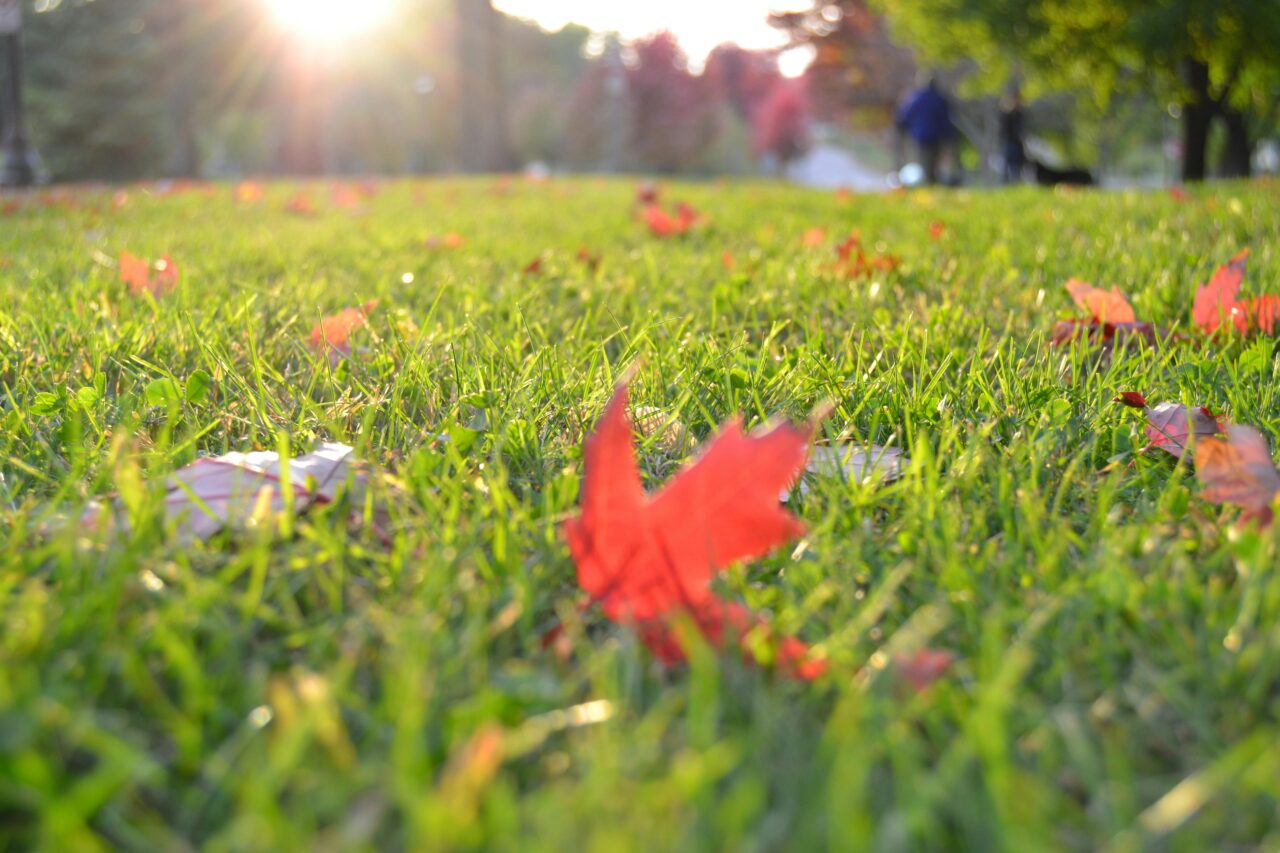
A lush, green lawn is the hallmark of a well-kept home, providing the perfect setting for outdoor gatherings, enhancing curb appeal, and increasing property value. Achieving and maintaining a beautiful lawn requires year-round attention, as different seasons demand unique care strategies. By tailoring your lawn care to the changing weather, you can ensure your grass stays healthy and vibrant throughout the year.
Here’s your ultimate guide to creating a picture-perfect lawn with tips for every season.
Spring: Preparing for Growth
Spring is the season of renewal, making it the ideal time to lay the groundwork for a thriving lawn. As temperatures warm and plants awaken from dormancy, your grass needs a little extra attention to ensure a strong start.
1. Clean Up the Yard
Begin by removing debris such as leaves, twigs, and dead grass that accumulated over the winter. A clean lawn allows sunlight and air to penetrate the soil, promoting healthy growth.
2. Aerate the Soil
Compacted soil can prevent water, air, and nutrients from reaching the grass roots. Use a lawn aerator to punch small holes in the soil, creating pathways for these essential elements.
3. Test and Amend the Soil
Test your soil’s pH to ensure it’s within the ideal range (6.0–7.0 for most grass types). Add lime to raise the pH or sulfur to lower it, and incorporate fertilizer to replenish nutrients.
4. Overseed Bare Patches
If your lawn has thin or bare areas, overseed these spots with grass seed that matches your existing lawn type. Water the newly seeded areas frequently to encourage germination.
5. Fertilize for Growth
Apply a slow-release fertilizer in early spring to give your grass the nutrients it needs to grow thick and strong. Choose a formula with a balance of nitrogen, phosphorus, and potassium.
Summer: Keeping It Cool and Green
Summer brings heat and increased foot traffic, which can stress your lawn. Focus on watering, mowing, and pest management to keep your grass healthy during the hottest months.
1. Water Wisely
- Water deeply but less frequently to encourage deep root growth. Aim for about 1 inch of water per week, including rainfall.
- Water early in the morning to minimize evaporation and fungal growth.
2. Mow High and Often
- Set your mower blades higher in summer to keep grass around 3–4 inches tall. Taller grass shades the soil, reducing water loss and discouraging weed growth.
- Mow regularly, removing no more than one-third of the grass height at a time.
3. Watch for Pests and Diseases
- Inspect your lawn regularly for signs of pests like grubs or chinch bugs, which can cause brown patches.
- Treat fungal diseases promptly by improving drainage and using fungicides if necessary.
4. Avoid Over-Fertilizing
Excess fertilizer can burn your lawn in the summer heat. Instead, focus on watering and maintaining consistent mowing habits.
Fall: Strengthening for Winter
Autumn is the time to prepare your lawn for the challenges of winter. By strengthening your grass during the fall, you’ll ensure a quicker recovery in the spring.
1. Keep Mowing
Continue mowing your lawn as needed, gradually lowering the mower height as the season progresses. A shorter lawn reduces the risk of snow mold during winter.
2. Remove Leaves
Rake or mulch fallen leaves to prevent them from smothering your grass. Mulched leaves can be left on the lawn as a natural fertilizer.
3. Aerate Again
Fall is an excellent time to aerate your lawn, especially if you didn’t do so in the spring. Aeration helps your lawn recover from summer compaction and prepares it for winter.
4. Overseed and Fertilize
- Spread grass seed over thin or bare areas to promote new growth before winter.
- Apply a fall fertilizer high in potassium to strengthen roots and improve cold tolerance.
5. Address Weeds
Fall is also the time to tackle stubborn weeds, as many varieties are actively absorbing nutrients. Apply a post-emergent herbicide to target these weeds.
Winter: Protecting and Maintaining
Although grass is dormant in winter, there are steps you can take to protect your lawn and set the stage for a healthy spring.
1. Avoid Excess Traffic
Limit foot and vehicle traffic on your lawn during winter to prevent soil compaction and damage to dormant grass.
2. Manage Snow and Ice
- Shovel snow carefully to avoid scraping the lawn surface.
- Use pet- and plant-safe deicing products to minimize damage to grass and surrounding plants.
3. Inspect for Issues
Periodically check your lawn for signs of mold, pests, or other problems that could carry over into spring.
4. Prepare Equipment
Winter is an excellent time to clean and maintain your lawn care tools. Sharpen mower blades, clean out aerators, and stock up on fertilizer and seed for spring.
Year-Round Tips for a Healthy Lawn
Some lawn care practices are beneficial throughout the year. Incorporating these habits into your routine will help you maintain a lush and resilient lawn.
1. Know Your Grass Type
Different grasses have different care requirements. Cool-season grasses (like Kentucky bluegrass and fescue) thrive in cooler months, while warm-season grasses (like Bermuda and zoysia) peak in summer.
2. Manage Weeds Early
Apply pre-emergent herbicides in early spring to stop weeds like crabgrass before they start growing.
3. Use Mulch Clippings
Leave grass clippings on the lawn after mowing. They break down quickly, returning nutrients to the soil.
4. Rotate Watering Patterns
Adjust your watering schedule based on rainfall and seasonal needs to avoid over- or under-watering.
5. Monitor Soil Health
Healthy soil is the foundation of a great lawn. Test soil regularly and amend it as needed to maintain a balance of nutrients and proper pH levels.
Common Lawn Care Mistakes to Avoid
Even seasoned homeowners can make mistakes in lawn care. Here are some common pitfalls to avoid:
- Overwatering: Leads to shallow roots and increased disease susceptibility.
- Mowing Too Short: Stresses grass and allows weeds to thrive.
- Ignoring Soil Health: Poor soil conditions will undermine even the best lawn care efforts.
- Skipping Seasonal Maintenance: Neglecting seasonal tasks like aeration and fertilization can hinder long-term lawn health.
A picture-perfect lawn doesn’t happen overnight—it’s the result of consistent care tailored to each season. By following these tips and understanding your lawn’s unique needs, you can enjoy a vibrant, healthy yard year-round.
With the right tools, techniques, and dedication, your lawn can become the envy of the neighborhood, providing a beautiful and inviting outdoor space for all to enjoy.