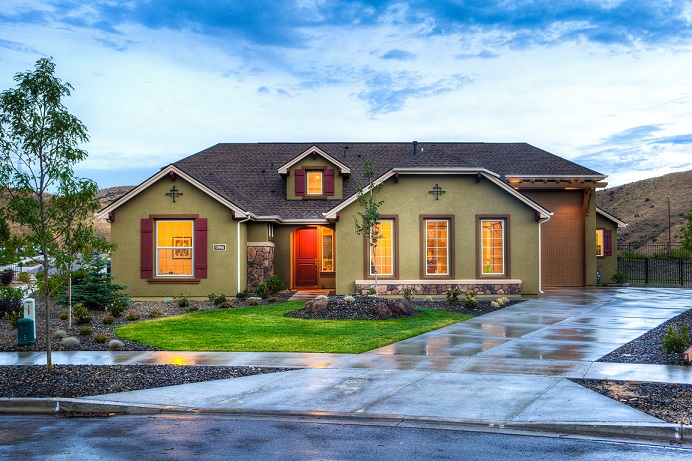
Landscaping features are vital elements that add personality, texture, and visual interest to outdoor spaces. Among these features, rocks and boulders stand out as versatile and timeless additions that can transform any garden or yard into a captivating and harmonious landscape. Whether used as focal points, accent pieces, or structural elements, rocks and boulders offer endless possibilities for creating stunning outdoor environments. In this article, we will explore the effective use of rocks and boulders in landscaping to enhance visual interest and elevate the overall appeal of your outdoor space.
The Role of Rocks and Boulders in Landscaping:
- Natural Aesthetics: Rocks and boulders bring a natural and rugged aesthetic to landscapes, creating a sense of authenticity and connection to the environment. The organic shapes, textures, and colors of rocks add depth and interest to outdoor spaces, mimicking the beauty of natural rock formations.
- Contrast and Balance: Rocks and boulders can be used strategically to create contrast and balance in your landscape design. They can complement soft and delicate plantings with their sturdy presence or provide a bold contrast against lush greenery, creating a dynamic visual impact.
- Focal Points: Large boulders can act as eye-catching focal points that draw attention and create a sense of destination within your garden. Placing a distinctive boulder in a prominent location can serve as a natural centerpiece that anchors the overall design.
- Erosion Control: Rocks can be used to prevent soil erosion on slopes or areas prone to water runoff. Properly placed rocks help stabilize the soil and retain moisture, protecting your landscape from erosion and preserving its structural integrity.
- Low Maintenance: One of the significant advantages of incorporating rocks and boulders in landscaping is their low maintenance. Unlike plants, rocks do not require watering, pruning, or fertilizing, making them a durable and sustainable option for long-term visual interest.
- Versatility: Rocks and boulders come in various sizes, shapes, and types, allowing for endless design possibilities. From small pebbles for pathways to massive boulders for dramatic features, you can customize your landscape with rocks to suit your preferences and style.
Effective Use of Rocks and Boulders in Landscaping:
- Create Rock Gardens: Rock gardens are exquisite displays of carefully arranged rocks and plants that mimic natural rock formations. Arrange rocks of varying sizes and shapes to create a naturalistic scene, and intersperse them with drought-tolerant plants that thrive in rocky terrain. Rock gardens are perfect for adding visual interest to flat or sloped areas and provide a low-maintenance option for water-conscious gardeners.
- Establish Border Edging: Use smaller rocks or pebbles to create border edging for garden beds or pathways. Rock edging provides a defined boundary between different areas of your landscape and adds a touch of rustic charm. It also helps keep plants in place and prevents soil from spilling onto pathways.
- Build Retaining Walls: Boulders and rocks can be used to create attractive and functional retaining walls. These walls prevent soil erosion, create terraced planting areas, and add vertical dimension to your landscape. Choose rocks of consistent size and shape for a more structured look or opt for a more natural arrangement for a rugged appeal.
- Construct Rock Steps: Integrate large flat rocks into your landscape design to create natural-looking steps or a stepping stone pathway. Rock steps not only provide functional access between different levels of your garden but also add a sense of adventure and exploration to the space.
- Accentuate Water Features: Rocks play a crucial role in enhancing the aesthetics of water features, such as ponds, streams, or waterfalls. Place rocks strategically around the water feature to create a naturalistic look and mimic the appearance of a river or a rocky creek bed.
- Design Dry Creek Beds: Dry creek beds, also known as dry streambeds, are decorative rock features that mimic the appearance of a natural watercourse. They are particularly useful for directing rainwater away from buildings and preventing flooding. Line the creek bed with various sizes of rocks and pebbles to create a beautiful and functional landscaping element.
- Layered Rock Walls: Construct layered rock walls using rocks of different sizes and colors for added texture and interest. Layered walls can be used to create raised planting beds, enclose outdoor seating areas, or serve as garden dividers.
- Add Boulders as Sculptural Elements: Select unique and visually appealing boulders to serve as sculptural elements in your landscape design. Place these boulders strategically as standalone focal points or amidst carefully curated plantings to create a captivating visual experience.
- Mix Rocks with Plantings: Integrate rocks and boulders with plants to create a harmonious and balanced landscape design. Nestle smaller rocks among plants or tuck them at the base of larger boulders to create a seamless transition between the hardscape and the softscape.
- Incorporate Lighting: Use outdoor lighting to highlight the beauty of your rock features during the evening hours. Well-placed lighting can cast dramatic shadows and showcase the textures and colors of rocks and boulders, creating a mesmerizing nighttime landscape.
Tips for Effective Use of Rocks and Boulders:
- Consider Scale and Proportion: Choose rocks and boulders that are proportionate to the size of your landscape. Large boulders may overwhelm a small yard, while tiny pebbles may get lost in a vast garden. Select rocks that complement the scale of your outdoor space and create a balanced visual composition.
- Placement and Grouping: Place rocks and boulders in a way that appears natural and intentional. Group rocks in odd numbers and cluster them together to create a more organic look. Avoid arranging rocks in perfectly symmetrical patterns, as this may appear artificial.
- Gradual Blending: When adding rocks to an established landscape, make the transition gradual and seamless. Gradually blend the rocks into the existing plantings and terrain to ensure they appear as if they have been a part of the landscape for a long time.
- Mind the Context: Consider the overall theme and style of your landscape when selecting rocks and boulders. Sleek, smooth rocks may complement a modern landscape, while rugged and irregularly shaped rocks may be more suitable for a rustic or naturalistic garden.
- Create Diversity: Use a variety of rocks and boulders to create diversity in your landscape design. Mix different shapes, sizes, colors, and textures to add interest and create a more visually appealing composition. The contrast between smooth river rocks and rough-textured boulders can add depth and dimension to your outdoor space.
- Work with Existing Features: Incorporate rocks and boulders in a way that complements existing features in your landscape. For example, if you have existing trees or shrubs, consider placing rocks around their base to create natural-looking rock outcroppings.
- Consider the Climate: Choose rocks and boulders that are suitable for your climate and can withstand the weather conditions in your area. Some types of rocks may be prone to cracking or erosion in extreme temperatures, so it’s essential to select rocks that are durable and weather-resistant.
- Use Rocks as Mulch: In addition to traditional organic mulch, consider using rocks or pebbles as mulch around plants and trees. Rock mulch helps retain soil moisture, suppresses weeds, and adds a decorative element to your garden beds.
- Blend Softscaping and Hardscaping: The most effective use of rocks and boulders in landscaping is when they seamlessly blend with the softscaping elements. Integrate plants, flowers, and ground covers around rocks to create a harmonious and balanced composition.
- Create Balance and Symmetry: While naturalistic arrangements are popular, consider using rocks and boulders to create balance and symmetry in your landscape design. Balanced placement of rocks on either side of a pathway or around a water feature can add a sense of order and sophistication to your outdoor space.
- Think Beyond the Ground: Rocks and boulders can also be used as vertical elements in your landscape design. For example, you can stack smaller rocks to create decorative pillars or use large boulders to anchor an outdoor seating area.
- Experiment with Placement: Before finalizing the placement of rocks and boulders, experiment with different arrangements. Move them around the landscape to see how they interact with the surrounding elements and how they affect the overall visual flow.
- Seasonal Interest: Consider using rocks and boulders to create seasonal interest in your landscape. For example, you can plant spring-blooming bulbs around rocks to add a burst of color during the early months of the year.
- Use Rocks to Solve Landscape Challenges: Rocks can be used creatively to solve landscape challenges. For example, you can use large boulders to create a natural windbreak or to block unwanted views. Similarly, rocks can be used to direct foot traffic and prevent soil compaction in high-traffic areas.
- Add Water Elements: If your budget and space allow, consider adding water elements, such as ponds or waterfalls, surrounded by rocks and boulders. The combination of water and rocks creates a soothing and tranquil atmosphere in your outdoor space.
Rocks and boulders are essential elements in landscape design that offer versatility, beauty, and practicality. By effectively using these features in your yard or garden, you can enhance visual interest, add a natural touch, and create a harmonious and captivating outdoor environment. Whether you choose to create a rock garden, build retaining walls, or incorporate rocks as sculptural elements, these natural additions will elevate the appeal of your landscape and create a lasting impression. Pay attention to scale, proportion, and context when selecting and placing rocks and boulders, and don’t be afraid to experiment with different arrangements to find the perfect balance for your outdoor space. With thoughtful design and strategic placement, rocks and boulders will transform your landscape into a place of beauty, tranquility, and inspiration for years to come.