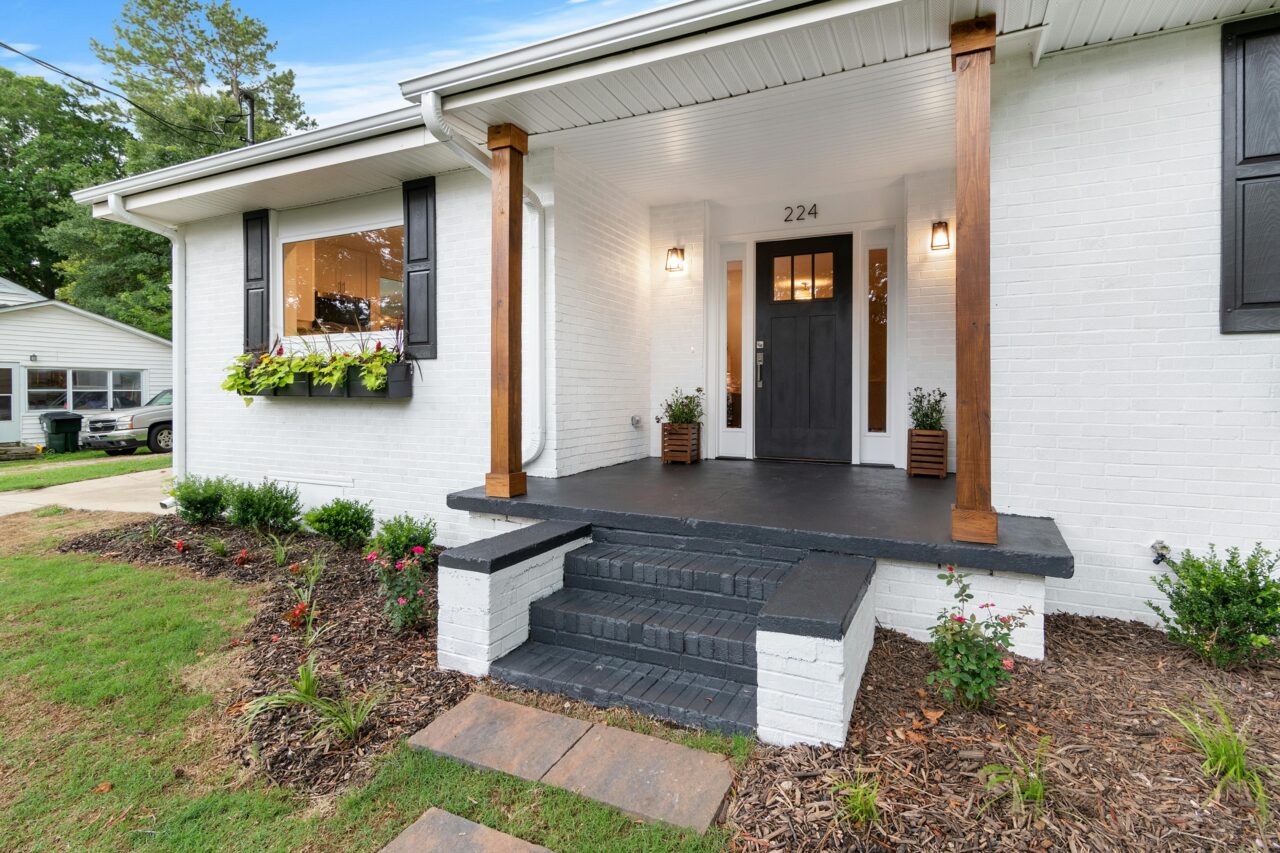
Window boxes are a timeless way to enhance the beauty of your home, adding charm, color, and personality to your windows. Whether you’re working with a small urban apartment or a sprawling suburban house, window boxes can instantly transform your exterior, offering a dynamic mix of greenery and blooms. They’re also an excellent way to incorporate seasonal decor and make your home feel more welcoming.
Why Window Boxes?
1. Boost Curb Appeal
Window boxes create visual interest by breaking up blank walls or enhancing window frames. They’re especially impactful for homes with neutral or monochromatic exteriors, adding vibrant pops of color.
2. Space-Saving Gardening
If you have limited outdoor space, window boxes offer a compact and accessible way to enjoy gardening. They’re perfect for apartments, townhouses, or homes with small yards.
3. Seasonal and Personal Expression
Window boxes can be updated throughout the year to reflect the seasons, holidays, or your personal style. From spring blooms to festive evergreens, the possibilities are endless.
Choosing the Right Window Box
Selecting the right window box is essential for a cohesive and functional design.
1. Materials
- Wood: Offers a classic and rustic look but may require sealing to withstand the elements. Cedar and teak are durable options.
- Metal: Wrought iron or aluminum adds elegance but can rust without proper care. Powder-coated finishes are a great rust-resistant choice.
- Plastic or Fiberglass: Lightweight and low-maintenance, these materials mimic the look of more traditional styles without the upkeep.
- Terracotta: Ideal for a Mediterranean aesthetic, though heavy and prone to cracking in colder climates.
2. Styles
Match the window box style to your home’s architecture:
- Traditional Homes: Opt for ornate ironwork or classic wooden boxes.
- Modern Homes: Sleek metal or monochrome fiberglass boxes complement clean lines.
- Cottage-Style Homes: Brightly painted wooden boxes brimming with flowers evoke a cozy, vintage vibe.
3. Sizes
Ensure the box is proportionate to the window. A box that spans the width of the window provides a balanced look, while shorter boxes work well for narrow windows.
Plants for Window Boxes
Choosing the right plants can make or break the aesthetic of your window box. Consider these factors:
1. Sunlight Requirements
- Full Sun: Geraniums, petunias, and marigolds thrive in bright light.
- Partial Shade: Impatiens, begonias, and ferns are great for windows with dappled sunlight.
- Full Shade: Hostas, ivy, and heuchera work well in low-light conditions.
2. Seasonal Selections
- Spring: Daffodils, tulips, and pansies add cheerful colors after winter.
- Summer: Bright blooms like zinnias, snapdragons, and vincas flourish in warmer months.
- Fall: Incorporate chrysanthemums, ornamental kale, and small pumpkins for an autumnal display.
- Winter: Use evergreens, holly, and decorative branches for a festive look.
3. Layering Techniques
Create a lush, professional appearance by layering plants:
- Thrillers: Tall, eye-catching plants like spikes or ornamental grasses in the back.
- Fillers: Medium-height plants with bushy growth, such as petunias or geraniums, in the middle.
- Spillers: Trailing plants like ivy, sweet potato vine, or lobelia cascading over the edges.
Creative Window Box Ideas
1. Edible Window Boxes
Combine beauty and practicality by planting herbs, vegetables, or edible flowers. Basil, thyme, and parsley offer fresh flavors and greenery, while cherry tomatoes or nasturtiums add a pop of color.
2. Monochrome Magic
Stick to a single color palette for a sophisticated look. For example, all-white blooms like daisies, petunias, and alyssum create a crisp, clean aesthetic.
3. Cottage Garden Charm
Mix an array of colorful, whimsical flowers like lavender, snapdragons, and pansies for a cottage-inspired design. Add a trailing ivy for extra texture.
4. Succulent Displays
Succulents are low-maintenance and drought-resistant, making them ideal for hot or sunny spots. Use varying textures and shades of green, adding occasional blooms for contrast.
5. Seasonal Rotations
Design boxes that change with the seasons. Use spring flowers like daffodils and hyacinths, switch to summer blooms like petunias, incorporate fall foliage and mums, and finish the year with winter greens and twinkling lights.
6. Layered Texture
Incorporate plants with diverse textures, such as fuzzy lamb’s ear, spiky grasses, and smooth-leafed begonias. This adds depth and visual interest.
Tips for Installation
1. Proper Placement
Install window boxes securely to avoid accidents. Use brackets or screws designed for the box’s weight and your home’s exterior material.
2. Drainage
Ensure the boxes have adequate drainage holes to prevent waterlogging, which can harm plants.
3. Accessibility
Make sure the boxes are easy to reach for planting, watering, and maintenance. Use a sturdy step stool or ladder if necessary.
Maintaining Your Window Boxes
Regular care keeps your window boxes vibrant and healthy:
- Watering: Monitor soil moisture, especially during hot weather. Most plants need daily watering in summer.
- Fertilizing: Feed plants every few weeks with a balanced fertilizer to encourage blooms and growth.
- Pruning: Remove dead flowers and trim overgrown stems to maintain a neat appearance.
- Pest Control: Watch for common pests like aphids or spider mites and treat them promptly.
Matching Window Boxes to Your Home’s Style
1. Traditional Homes
Classic window boxes with lush greenery and symmetrical blooms enhance traditional exteriors. Stick to neutral colors or match the box to your home’s trim.
2. Modern Homes
Opt for minimalist designs with sleek lines and monochrome color schemes. Use sculptural plants like succulents or ornamental grasses for a contemporary vibe.
3. Farmhouse Style
Rustic wooden boxes with sunflowers, daisies, or herbs create a cozy, farmhouse feel.
4. Coastal Homes
Light blue or white boxes filled with hydrangeas, sea grasses, and lavender reflect a breezy, seaside aesthetic.
DIY Window Box Ideas
If you’re feeling crafty, try making your own window boxes:
- Repurposed Materials: Use wooden crates, metal buckets, or old drawers for a rustic, unique look.
- Painted Designs: Add personality by painting the boxes with patterns, stripes, or stencils.
- Recycled Pallets: Transform wooden pallets into budget-friendly, eco-friendly window boxes.
Window boxes are a versatile and impactful way to bring your home to life. With countless options for materials, plants, and designs, you can create a look that perfectly complements your home’s style and your personal taste. By following thoughtful design principles and maintaining your boxes regularly, you’ll enjoy a vibrant, eye-catching display year-round.
Whether you’re adding seasonal cheer or creating a permanent floral feature, window boxes are a small investment that yields big rewards in charm, curb appeal, and natural beauty.