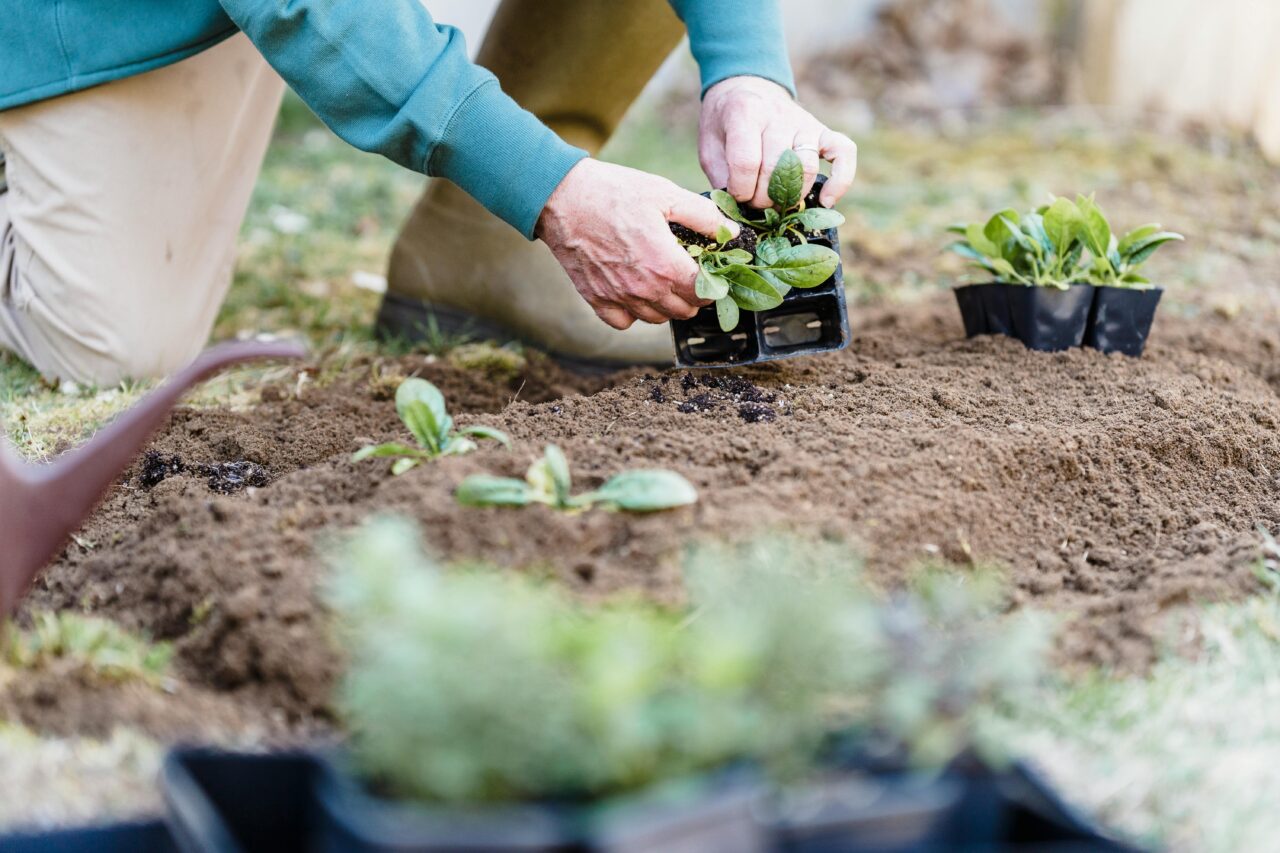
When it comes to enhancing your home’s curb appeal, mulch might not be the first thing that comes to mind. Yet, this humble landscaping material plays a pivotal role in creating a polished, attractive, and well-maintained yard. Mulch offers a range of benefits that go beyond aesthetics, contributing to healthier plants, better soil conditions, and a cleaner, more cohesive look.
What is Mulch and Why is It Important?
Mulch is a protective layer of material spread over the surface of the soil. It serves multiple purposes:
- Aesthetic Enhancement: Gives flower beds, trees, and garden areas a clean, uniform look.
- Soil Protection: Reduces erosion, retains moisture, and insulates roots.
- Weed Suppression: Blocks sunlight, making it harder for weeds to grow.
- Plant Health: Improves soil quality by breaking down organic matter.
Mulch creates a polished and inviting appearance while simultaneously improving the health of your landscape, making it an essential component of curb appeal.
Types of Mulch for Landscaping
Choosing the right mulch depends on your landscaping needs and personal aesthetic preferences. Here’s an overview of the main types of mulch:
1. Organic Mulch
Organic mulch is made from natural materials and gradually decomposes, enriching the soil over time.
- Wood Chips: Available in various sizes and colors, wood chips are a classic choice for gardens and flower beds.
- Bark Mulch: Shredded or chunked bark provides excellent insulation and a natural appearance.
- Straw or Pine Needles: Ideal for vegetable gardens or woodland landscapes.
- Compost: A nutrient-rich option that feeds plants while improving soil structure.
2. Inorganic Mulch
Inorganic mulch is long-lasting and requires less maintenance, though it doesn’t improve soil quality.
- Gravel or River Rocks: Adds texture and works well in modern or desert-inspired designs.
- Rubber Mulch: Made from recycled materials, this option mimics the look of organic mulch while lasting for years.
- Plastic or Landscape Fabric: Often used as a base layer for weed suppression, though it’s usually covered with decorative mulch.
Both organic and inorganic mulches have unique benefits, so consider your home’s style and your maintenance preferences when making a choice.
The Aesthetic Role of Mulch in Curb Appeal
1. Adds a Finished Look
Mulch acts like the final brushstroke in a painting, tying together different elements of your landscaping. It creates clean edges around flower beds, trees, and pathways, giving your yard a polished and professional appearance.
2. Enhances Plant Colors
The contrast between mulch and greenery makes plants stand out. For example:
- Dark brown or black mulch intensifies the vibrant hues of flowers and shrubs.
- Lighter options like straw or pine needles create a rustic, natural feel.
- Colored mulch, such as red or gold, can add a pop of brightness to your landscape.
3. Complements Home Style
By choosing mulch that aligns with your home’s architectural style, you can create a cohesive exterior look. For instance:
- Gravel or rocks suit modern or minimalist homes.
- Bark or wood chips pair well with traditional or cottage-style homes.
Practical Benefits of Mulch
In addition to its visual appeal, mulch offers practical advantages that make maintaining your landscape easier.
1. Retains Soil Moisture
Mulch helps the soil retain water by reducing evaporation. This is especially useful during hot summers, as it keeps plants hydrated and reduces the need for frequent watering.
2. Protects Plant Roots
By insulating the soil, mulch shields roots from extreme temperatures. It keeps the ground warmer in winter and cooler in summer, creating a more stable environment for plants.
3. Prevents Erosion
Mulch acts as a barrier, reducing the impact of heavy rain and preventing soil from washing away. This is particularly important for sloped gardens or areas prone to runoff.
4. Reduces Weed Growth
A layer of mulch blocks sunlight, making it harder for weeds to sprout. This not only keeps your garden looking tidy but also reduces competition for nutrients and water.
How to Use Mulch Effectively
Proper application is key to maximizing the benefits of mulch. Here are some tips to ensure success:
1. Choose the Right Thickness
- Apply mulch 2–4 inches deep for optimal results. Too thin a layer won’t suppress weeds effectively, while too thick a layer can suffocate plant roots.
2. Maintain Distance from Plant Stems
Keep mulch a few inches away from plant stems and tree trunks to prevent rot and pest infestations.
3. Refresh Annually
Organic mulch breaks down over time, so replenish it annually to maintain its appearance and effectiveness. Inorganic mulch may require occasional cleaning or rearranging.
4. Use Mulch in Key Areas
Focus on high-visibility spots like front yard flower beds, around trees, and along pathways. These areas have the most impact on curb appeal.
Creative Mulch Design Ideas
Mulch can be more than a functional addition—it can become a design feature. Here are some ideas for incorporating mulch into your landscaping creatively:
1. Patterned Beds
Use different colors or textures of mulch to create patterns in your garden beds. For example, alternate dark and light mulch in stripes or waves for a striking visual effect.
2. Mulch Pathways
Define pathways with mulch for a natural and cost-effective alternative to stone or gravel. Pair with edging materials like wood or metal to keep the mulch in place.
3. Accent Areas
Highlight specific areas of your yard, such as a water feature or sculpture, with a decorative mulch border.
4. Combine with Plants
Layer mulch around clusters of plants to create focal points. Mix textures and colors to emphasize contrast and depth.
Maintaining Mulch for Long-Lasting Appeal
Like any landscaping element, mulch requires some upkeep to stay effective and attractive.
1. Rake Regularly
Rake mulch to break up compacted areas and maintain an even layer. This also helps redistribute mulch that may have been displaced by wind or water.
2. Watch for Pests
Organic mulch can attract pests like termites or ants. Keep mulch away from your home’s foundation and monitor for signs of infestation.
3. Check for Decomposition
Organic mulch will decompose over time, enriching the soil. However, if it becomes too thin, add a fresh layer to maintain its benefits.
4. Keep It Clean
Remove debris, fallen leaves, and weeds from your mulch beds to keep them looking neat and tidy.
Mulch is a simple yet transformative tool for boosting your home’s curb appeal. By adding a polished, cohesive look to your landscape while providing essential benefits like moisture retention, weed suppression, and soil protection, mulch offers both aesthetic and practical value.
Whether you opt for organic wood chips, decorative gravel, or vibrant colored mulch, the key is to apply it strategically and maintain it regularly. With these tips, you can create a stunning outdoor space that enhances your home’s style and leaves a lasting impression on visitors.