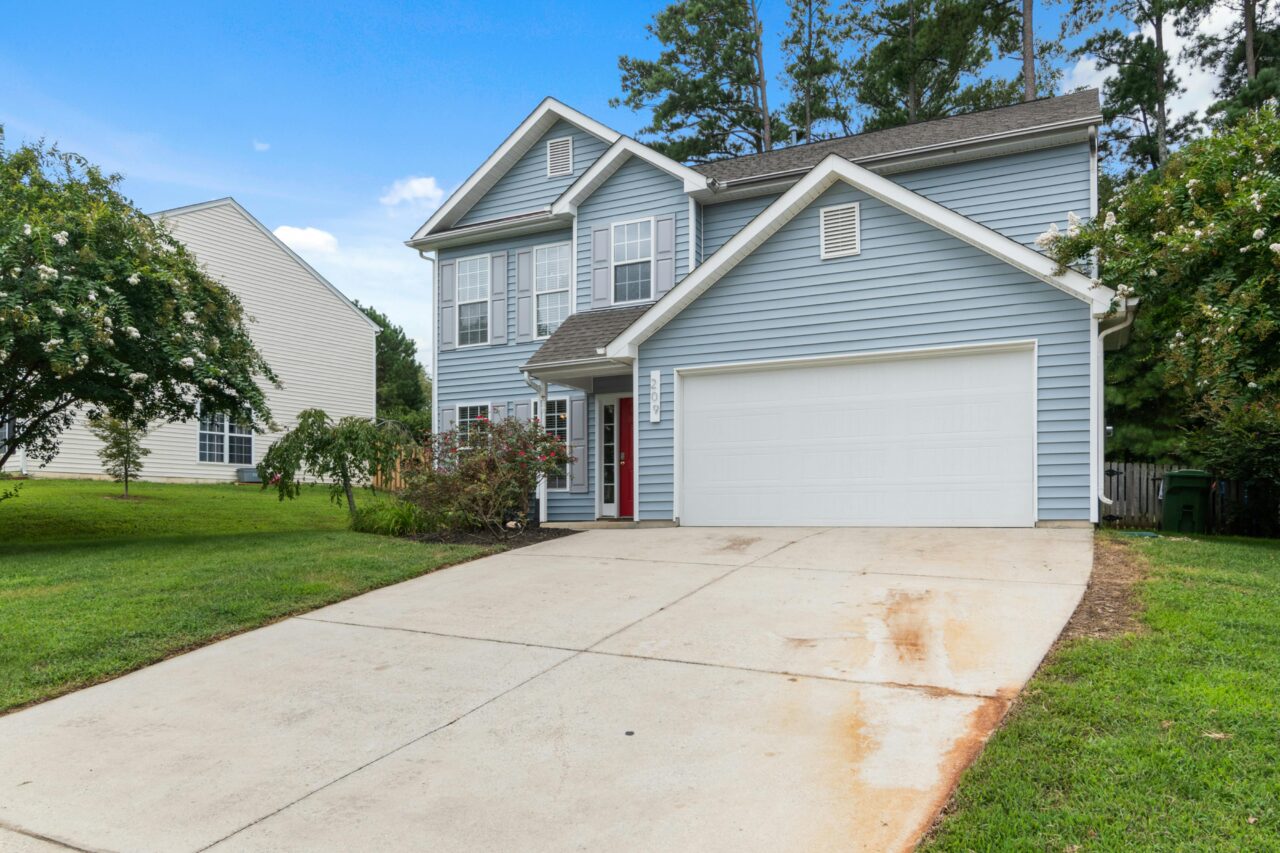
Your garage door plays a vital role in your home’s functionality, security, and curb appeal. Over time, wear and tear, weather conditions, and outdated styles can diminish its effectiveness and aesthetic charm. Knowing when to replace your garage door is key to maintaining the safety, efficiency, and beauty of your home.
1. Persistent Functional Issues
A garage door that doesn’t function properly is more than a nuisance—it’s a safety hazard. If you experience any of the following issues consistently, it may be time for a replacement:
- Frequent Breakdowns: If your garage door regularly gets stuck, refuses to open or close, or requires constant repairs, replacing it is likely more cost-effective than continuing to fix it.
- Slow or Jerky Movement: Modern garage doors operate smoothly and quietly. If your door moves unevenly or takes too long to open or close, it may have mechanical issues beyond repair.
- Sagging Door Panels: Over time, panels can warp or weaken, leading to uneven operation or gaps in the seal.
Functional issues not only reduce convenience but can also compromise your home’s security and energy efficiency.
2. Visible Damage and Wear
Garage doors are exposed to weather, daily use, and occasional impacts. Signs of visible damage can indicate it’s time for a new door.
Common Types of Damage:
- Dents and Cracks: Minor dents can sometimes be repaired, but large cracks or extensive dents can weaken the door’s structure.
- Rust and Corrosion: Steel and metal doors are prone to rust, especially in areas with high humidity or salted roads during winter.
- Peeling Paint or Faded Color: Cosmetic wear diminishes your home’s curb appeal and can be a sign of deeper material degradation.
- Warping or Rotting: Wooden garage doors are susceptible to moisture damage, which can lead to warping or rotting over time.
If the damage significantly affects the door’s appearance or structural integrity, replacing it is the best option.
3. Outdated Design
Garage door styles evolve, and an outdated design can make your home look less appealing.
Indicators of Outdated Design:
- Clashing Aesthetic: If your garage door doesn’t match your home’s style or recent exterior updates, it may detract from the overall look.
- Lack of Features: Modern doors offer energy efficiency, insulation, and smart technology that older models lack.
- Aging Materials: Older materials may no longer suit your home’s needs or the latest design trends.
Replacing your garage door with a modern design can instantly update your home’s façade, improving its aesthetic and resale value.
4. Energy Inefficiency
An old or poorly insulated garage door can increase your energy bills and reduce the comfort of your home.
Signs of Energy Inefficiency:
- Drafts and Air Leaks: If you feel cold air seeping through the garage door, it’s a sign the insulation has failed.
- Temperature Extremes: If your garage feels like an oven in summer or a freezer in winter, your door isn’t providing adequate insulation.
- Rising Energy Bills: Poor insulation allows outdoor temperatures to affect your home’s interior, leading to higher heating and cooling costs.
Newer garage doors often feature advanced insulation materials and seals, improving energy efficiency and comfort.
5. Noise and Vibration During Operation
A noisy garage door isn’t just annoying—it can be a sign of deeper mechanical issues.
Common Noises and Their Causes:
- Grinding or Scraping: Indicates worn-out rollers, hinges, or tracks.
- Banging or Rattling: May be caused by loose hardware or a failing motor.
- High-Pitched Squealing: Often a sign of insufficient lubrication or worn-out components.
If your garage door is excessively loud despite regular maintenance, it’s a good indication that it’s time for a replacement. Modern garage doors operate quietly and smoothly, providing a more enjoyable user experience.
6. Safety Concerns
Your garage door is one of the largest moving parts of your home, and any safety issues should be addressed immediately.
Signs of Safety Risks:
- Malfunctioning Safety Sensors: Modern garage doors come equipped with sensors that prevent the door from closing if an object is detected in its path. If these sensors fail, it poses a safety risk.
- Broken Springs or Cables: These are critical components of your garage door system, and their failure can lead to accidents or damage.
- Manual Operation: If you need to manually operate your garage door due to a failing opener or mechanism, it’s a clear sign of trouble.
Replacing an outdated or unsafe garage door ensures the safety of your family and belongings.
7. Poor Security Features
An outdated garage door can be a weak point in your home’s security.
Security Issues:
- Weak Locks: Older doors may have outdated or flimsy locking mechanisms.
- Easily Breached Materials: Thin or deteriorated materials can be easily forced open.
- Lack of Smart Technology: Modern garage doors can integrate with smart home systems for remote monitoring and control.
Replacing your garage door with a more secure model can help protect your home from potential break-ins.
8. Increasing Maintenance Costs
If you find yourself frequently calling a repair service or spending more on upkeep, it may be time for a new garage door.
High-Maintenance Indicators:
- Frequent Repairs: Multiple repairs in a short period often signal that a door is nearing the end of its lifespan.
- Costly Replacement Parts: As garage doors age, parts become harder to find and more expensive to replace.
- Time-Consuming Maintenance: Wooden doors, for example, require regular sanding, painting, and sealing to prevent deterioration.
A new, low-maintenance garage door can save you time and money in the long run.
9. Enhancing Curb Appeal
If your garage door is one of the first things people notice about your home, a worn or outdated door can detract from your property’s curb appeal.
Curb Appeal Considerations:
- First Impressions: An attractive garage door can make your home stand out in the neighborhood.
- Home Value: Upgrading your garage door is one of the most cost-effective ways to increase your home’s resale value.
- Design Trends: A new door with a modern design, updated hardware, or custom paint can breathe fresh life into your home’s exterior.
A stylish, well-maintained garage door reflects pride in homeownership and leaves a positive impression on visitors and potential buyers.
10. Age of the Garage Door
Most garage doors have a lifespan of 15–30 years, depending on the material and maintenance. If your garage door is nearing or exceeding this range, it’s time to consider a replacement.
Why Age Matters:
- Efficiency Declines: Older doors may lack the insulation and durability of newer models.
- Style Evolves: Designs that were popular decades ago may no longer suit modern tastes.
- Increased Wear: Components like springs, cables, and tracks degrade over time, leading to failures.
Replacing an old garage door ensures you benefit from modern features, better materials, and improved aesthetics.
Your garage door is a significant part of your home’s exterior, and knowing when to replace it is essential for maintaining safety, functionality, and visual appeal. From persistent mechanical issues to outdated designs and rising maintenance costs, several signs indicate it’s time for a new garage door.
A replacement not only improves your home’s curb appeal but also enhances energy efficiency, security, and convenience. By investing in a new garage door, you’re making a long-term improvement that boosts both your property’s value and your daily living experience.