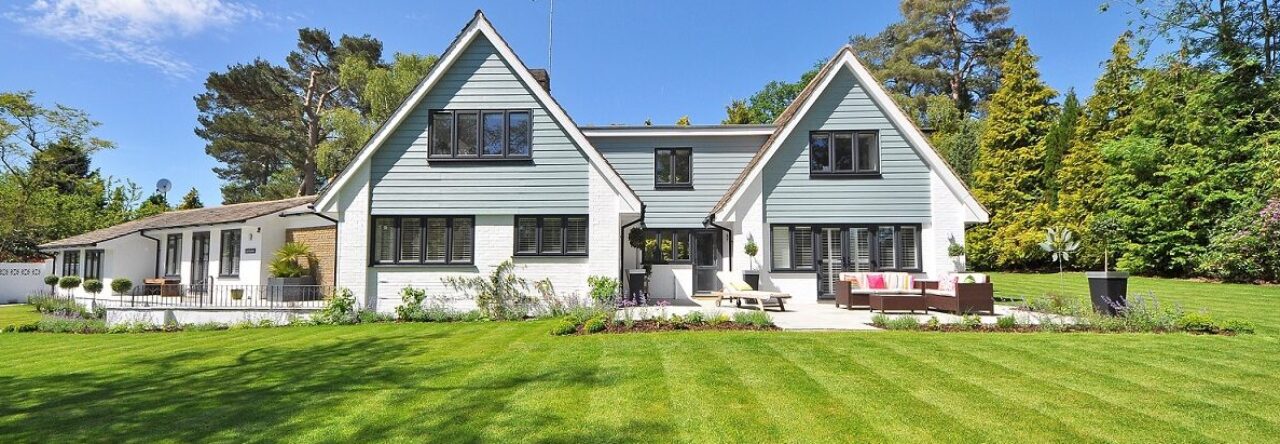
Your front door is more than just an entryway it’s a focal point that shapes the first impression of your home, and it also plays an important role in security, including services like lock and rekey when updating or changing access to your property.
Whether visitors approach your house for the first time or pass by it every day, the color of your door can influence how your property is perceived. A carefully chosen door color can enhance curb appeal, reflect your personal style, and even complement the architectural character of your home.
One of the biggest decisions homeowners face when updating their front door is whether to choose a bold color that stands out or a neutral tone that blends seamlessly with the exterior. Both options can be effective, but the right choice depends on several factors, including your home’s design, surrounding landscape, and the impression you want to create.
Why Door Color Matters
The front door naturally attracts attention because it represents the main point of entry to the home. Even subtle changes in color can dramatically alter how your house looks from the street.
A thoughtfully selected door color can:
- Increase curb appeal
- Highlight architectural details
- Reflect the homeowner’s personality
- Create visual balance with siding, trim, and roofing
- Potentially improve property value
Because the door is such a visible feature, choosing the right color can help tie together the entire exterior design of the home.
The Case for Bold Door Colors
Bold door colors are popular for homeowners who want their house to stand out. Bright or deep hues create contrast and immediately draw attention to the entrance.
Common bold door colors include:
- Red
- Navy blue
- Emerald green
- Black
- Bright yellow
- Teal
These colors work particularly well when the rest of the home’s exterior is relatively neutral. For example, a red door on a light gray house can become a striking focal point that adds character and charm.
Benefits of Bold Colors
1. Strong visual impact
Bold colors create a memorable appearance. A vibrant door can transform an otherwise simple exterior into something eye-catching and unique.
2. Personality and expression
Bright or dramatic colors allow homeowners to express their personal style. Whether modern, playful, or sophisticated, color choices can reflect individual taste.
3. Highlighting the entryway
A bold door naturally directs attention toward the entrance, making it easier for guests to identify the front of the home.
When Bold Works Best
Bold door colors tend to work well in the following situations:
- Homes with neutral siding or brick
- Modern or contemporary architectural styles
- Houses with simple exterior details that benefit from a focal point
- Neighborhoods where unique color choices are common
However, bold colors should still complement the rest of the home’s exterior palette rather than clash with it.
The Appeal of Neutral Door Colors
Neutral colors remain one of the most popular choices for front doors because they create a timeless and versatile look. Instead of drawing strong attention, neutral tones blend naturally with the surrounding design.
Common neutral door colors include:
- White
- Beige
- Gray
- Brown
- Soft taupe
- Charcoal
These colors often work well with a wide variety of home styles, from traditional houses to modern designs.
Benefits of Neutral Colors
1. Timeless appearance
Neutral doors rarely go out of style. Their subtle tones help maintain a classic and elegant look for years.
2. Easy coordination
Neutral colors tend to pair easily with different siding, trim, and roofing materials.
3. Broad appeal
If you plan to sell your home in the future, neutral tones often appeal to a wider range of potential buyers.
When Neutral Works Best
Neutral door colors are particularly effective for:
- Traditional or historic homes
- Properties with detailed architectural features
- Homes with colorful siding or brick
- Neighborhoods with stricter design guidelines
Neutral colors help maintain harmony across the exterior without overwhelming the overall design.
Considering Your Home’s Exterior
Before choosing a door color, take a close look at the other elements of your home’s exterior.
Important factors include:
- Siding color
- Trim and molding
- Roof color
- Brick or stone materials
- Garage door color
- Landscaping
Your front door should complement these elements rather than compete with them. For example, if your siding is a warm beige tone, a rich brown or deep green door might look more cohesive than a cool blue.
Architectural Style Matters
The architectural style of your home can also guide your color choice.
Traditional homes often look best with classic colors such as black, navy, forest green, or deep red.
Modern homes can handle more dramatic contrasts, including bright yellow, teal, or matte black.
Farmhouse-style homes frequently feature neutral or natural tones such as soft gray, sage green, or weathered wood.
Mediterranean-style homes often pair well with warm colors like terracotta, turquoise, or dark wood finishes.
Matching the door color to the home’s architectural style helps create a more cohesive design.
The Role of Lighting and Surroundings
Lighting can dramatically affect how a color appears on your door. A color that looks bold in direct sunlight may appear darker or muted in shaded areas.
If your entrance is covered by a porch or surrounded by trees, you might consider choosing a slightly lighter or brighter shade so the color doesn’t disappear in the shadows.
Similarly, the surrounding environment can influence color choices. Homes surrounded by greenery may look beautiful with natural tones such as forest green or deep brown, while coastal homes often incorporate blues or soft pastel shades.
Testing Colors Before Committing
Before painting your door, it’s a good idea to test several color samples. Paint swatches directly on the door or on a small piece of wood placed near the entrance.
Observe the colors at different times of day to see how sunlight and shadows affect them. This simple step can help prevent choosing a color that looks different once it is fully applied.
Balancing Bold and Neutral
In some cases, the best choice may not be strictly bold or neutral but something in between. Deep, rich colors such as burgundy, slate blue, or dark green can create visual interest while still maintaining a sophisticated look.
These tones offer personality without overwhelming the home’s exterior design.
Choosing the right front door color is an important design decision that can significantly impact the overall appearance of your home while also complementing your home security features. A well-maintained, highly visible front door paired with the right color can enhance both curb appeal and the perception of safety. Bold colors can create a striking focal point and showcase personality, while neutral tones offer timeless elegance and versatility.
By considering factors such as your home’s architecture, exterior color palette, lighting, and personal style, you can select a door color that enhances curb appeal and creates a welcoming entrance.
Whether you opt for a vibrant statement shade or a subtle, classic tone, the right door color can transform your home’s exterior and make a lasting impression on everyone who walks through your front door.
Generated by ChatGPT